
Introduction
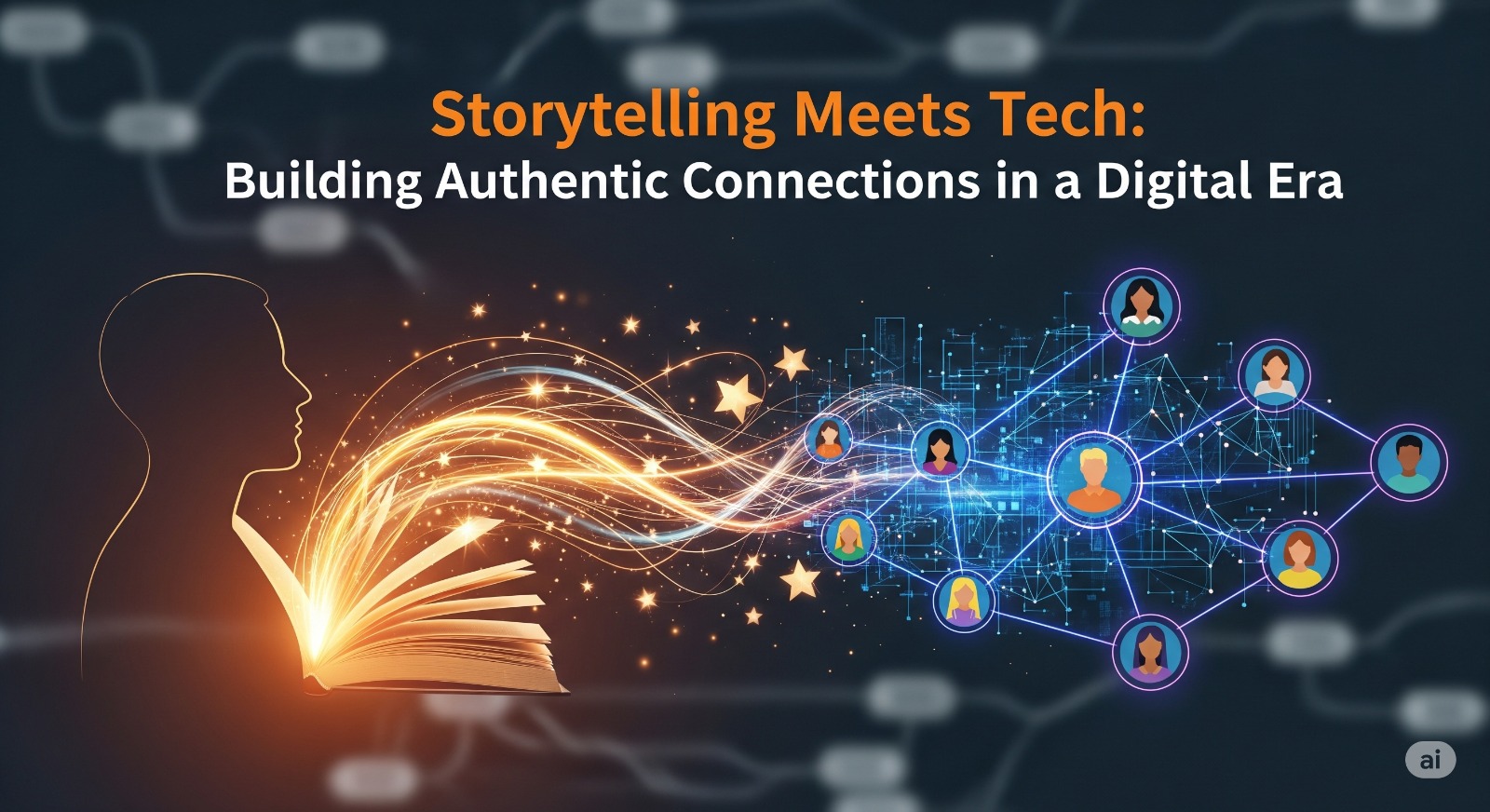
In a world dominated by algorithms and automation, Authentic Connections can feel more elusive—and more valuable—than ever. As technology accelerates, storytelling emerges as a powerful tool to bridge the digital divide and forge genuine relationships between brands, creators, and audiences. In this article, discover how the timeless art of storytelling works hand-in-hand with cutting-edge tech to create memorable, trust-centered interactions in a fast-paced, connected world.
Table of Contents
- Why Storytelling Matters in a Digital Age
- The Tech Revolution: More Than Just Gadgets
- Strategies for Authentic Digital Storytelling
- Human-Centered Content
- Leveraging Multimedia Tools
- Personalization with AI
- Human-Centered Content
- Success Stories: Brands That Got It Right
- Common Pitfalls to Avoid
- FAQs
- Conclusion & Call to Action
Why Storytelling Matters in a Digital Age
Storytelling is the original social technology. Before the internet, it was how knowledge, values, and emotions traveled across generations. Today, as audiences are bombarded by information, storytelling offers a human touch—a way to cut through noise, foster empathy, and encourage loyalty.
- Emotional resonance: Stories evoke feelings, making messages memorable.
- Trust-building: Personal or brand narratives build credibility in an impersonal online environment.
- Shared identity: Stories help communities form around shared experiences or goals.
The Tech Revolution: More Than Just Gadgets
Modern technology shapes not just how stories are told, but who tells them and to whom. From AI-driven content to interactive social platforms, tech gives storytellers:
- New mediums: Podcasts, social video, AR/VR experiences.
- Wider reach: Algorithms help distribute content to audiences worldwide.
- Deeper insights: Data analytics reveal what resonates, allowing for fine-tuned narratives.
Strategies for Authentic Digital Storytelling
Human-Centered Content
- Focus on real stories—personal journeys, customer experiences, behind-the-scenes looks.
- Highlight struggles and failures as well as wins to cultivate relatability.
Leveraging Multimedia Tools
- Use images, video, live streams, and infographics for richer, layered stories.
- Incorporate user-generated content to foster community and trust.
Personalization with AI
- Employ AI-driven recommendations to deliver relevant content to each user.
- Beware of over-automation—maintain a unique voice and individual style.
Success Stories: Brands That Got It Right
- Nike’s “Dream Crazy” campaign combined celebrity, social issues, and genuine user stories across digital channels.
- Airbnb’s user spotlights illustrate lived experiences, making the tech-driven platform feel deeply personal.
- Charity: Water’s VR impact stories transport donors to water projects in real time, blending emotion with innovation.
Common Pitfalls to Avoid
- Over-automation: When stories feel “manufactured,” trust erodes.
- Ignoring feedback: Digital spaces thrive on interaction—listen and adapt.
- Chasing trends without a message: Using tech for its own sake can backfire without narrative substance.
FAQs
Q: How can small brands compete with big tech in storytelling?
A: Focus on hyper-local, individual stories and authenticity, not production values.
Q: Isn’t tech making us less authentic?
A: Tech is a tool—it can enable deeper authenticity when used thoughtfully with human-centric stories.
Conclusion & Call to Action
In a digital-first era, the most successful stories are those that use technology as an amplifier, not a replacement, for human connection. Whether you’re a brand, creator, or entrepreneur, it’s time to embrace the intersection of storytelling and tech—but keep people, not pixels, at the heart of your message.