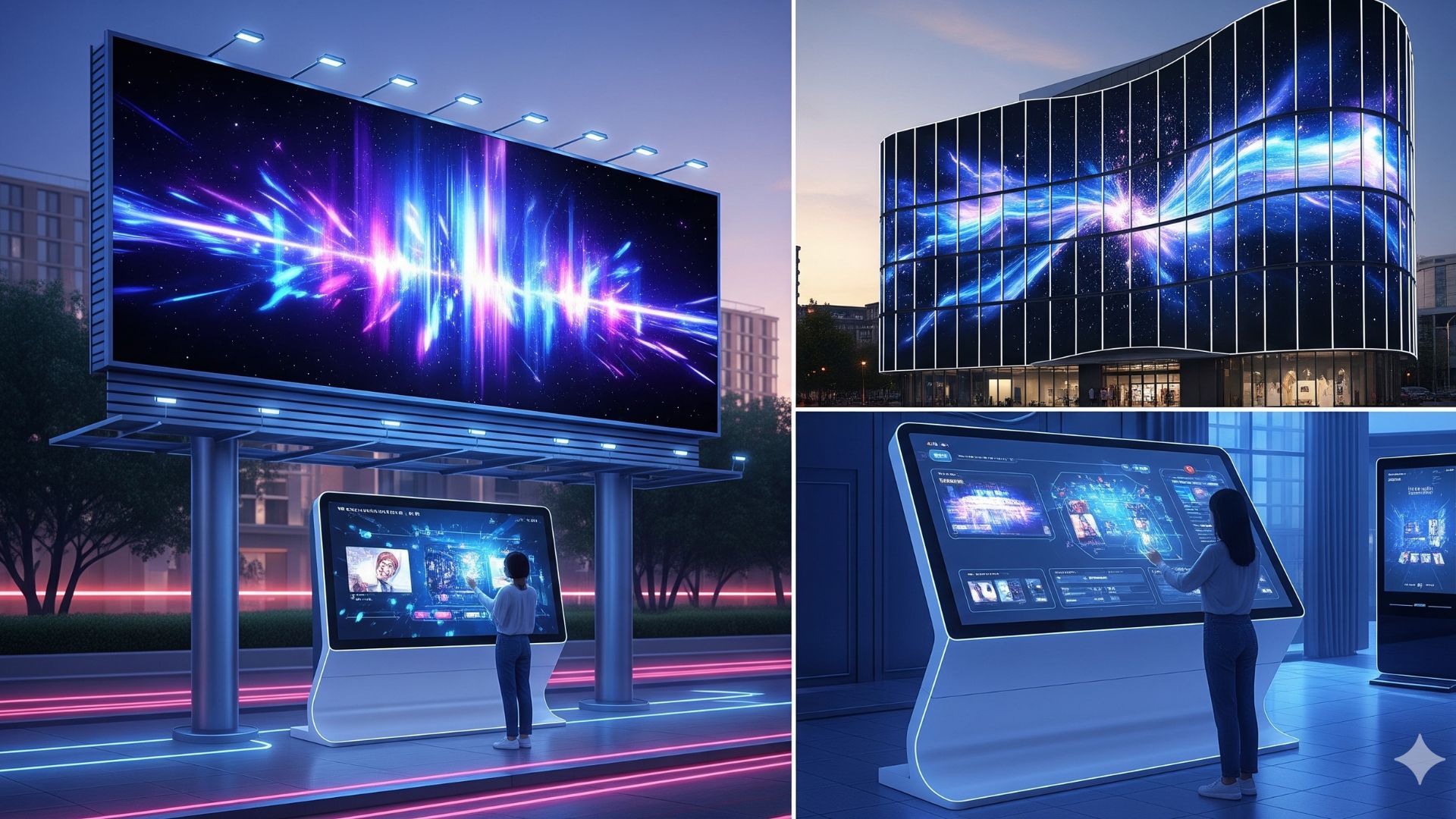
The outdoor advertising industry is evolving faster than ever — thanks to tech, data, and a new wave of creativity.
As consumers become more mobile and digitally engaged, Out-of-Home (OOH) advertising has transformed from static billboards to smart, data-driven experiences. Whether you’re a brand, agency, or media buyer, staying ahead of these trends is essential.
Let’s explore the top outdoor media trends and innovations in 2025 — and how you can use them to supercharge your campaigns.
What’s Driving Outdoor Media Changes in 2025?
- Digital integration: Outdoor ads are syncing with mobile, online, and social campaigns
- Consumer lifestyle shifts: More people spend time outdoors, commuting, and in public spaces
- Smarter tech: AI, data, and programmatic tools are making OOH more measurable and agile
Stat Alert: Global DOOH ad spend is projected to hit $13.4 billion by end of 2025 — growing 2X faster than traditional OOH. (Source: Statista)
Top Outdoor Advertising Trends in 2025
1. Rise of DOOH (Digital Out-of-Home)
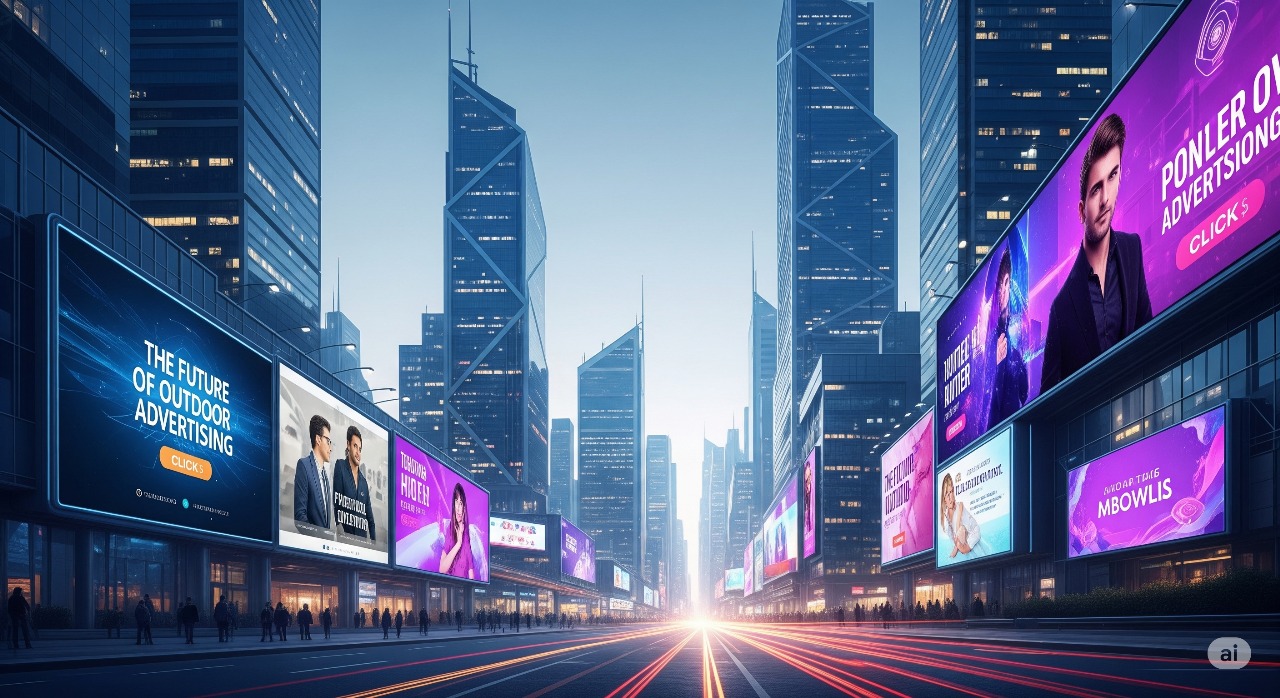
Static billboards are giving way to LED-powered, programmable digital screens — placed across highways, airports, malls, and transit hubs.
Why DOOH is dominating:
- Real-time creative updates
- Weather, daypart, and location-based triggers
- Higher viewer engagement through video content
Example: A beverage brand shows hot-coffee ads during rainy mornings and cold sodas in the afternoon — all via one digital screen.
2. Programmatic OOH is Going Mainstream
Booked media is getting smarter. Programmatic DOOH advertising allows brands to:
- Buy media like digital ads (via DSPs)
- Target by zip code, time of day, or even local events
- Trigger based on real-world data (weather, traffic, footfall)
Benefits:
- More efficient budgeting
- Hyper-targeting + flexibility
- Real-time performance optimization
Stat: 71% of global brands now allocate budget for programmatic OOH.
3. AI & Audience Analytics in OOH
The days of “spray-and-pray” are over.
Today’s OOH campaigns use:
- AI-powered heat maps
- Face detection (age, gender, mood estimation)
- Footfall analytics
These help assess:
- Who saw your ad
- How long they engaged
- What actions they took (ex: store visits)
Tip: Combine with QR codes, app redirects, or dynamic creatives for deeper interaction.
4. Sustainability in Outdoor Advertising
Eco-conscious branding is no longer optional.
Green innovations include:
- Solar-powered billboards
- Recyclable flex & printing materials
- Living (plant-based) billboards
- Carbon emission audits for every campaign
Example: In Mumbai, a cosmetics brand used a real green wall billboard powered by solar — attracting massive Instagram buzz and zero carbon-waste.
5. Mobile x OOH Integration
Outdoor media is no longer just for visibility — it now drives action.
What’s trending:
- NFC tags, QR codes embedded in DOOH
- Geo-fenced ads that trigger notifications when users pass by
- Retargeting based on GPS ad-exposure
Data: OOH campaigns integrated with mobile ads drive a 48% uplift in consumer purchase intent.
6. 3D, Experiential & Interactive Billboards
Consumers want wow moments. In 2025, we’re seeing:
- Ultra-realistic 3D billboards (Times Square style)
- Motion-sensitive displays (animations that react to movement)
- Interactive experiences (touch, gamified content, sound)
Example: Spotify’s 3D animated artist billboards created viral-level social shares, amplified by fans “interacting” with the artists on display.
7. Hyperlocal Targeting in OOH
Using GPS, footfall, and neighborhood behavior data, OOH ads are now running at block-level precision.
Use cases:
- Auto brands targeting office parks during commute hours
- Gyms advertising in residential high-rise zones
- Cafes displaying lunch ads nearby at noon
Combine this with time-sensitive offers and DOOH to increase campaign ROI.
8. Attribution & ROI Tools
Brands are now measuring OOH performance with the same clarity they do for Google Ads.
Tracked metrics include:
- Impressions per location
- Engagement (QR scans, app opens)
- Website uplift within geo-radii
- Store footfall attribution
New-age ad platforms like Broadsign, Vistar Media, and Moving Walls offer real-time reporting dashboards.
How You Can Leverage These Trends
| Strategy | Actionable Tip |
| Launch DOOH Campaigns | Use weather- or time-based triggers to display content |
| Add Interactive Elements | Include QR codes or NFC links leading to your product or offer landing page |
| Go Green | Opt for recyclable flex boards or LED screens with solar-power setups |
| Combine OOH + Mobile | Track engagement post-view via paid mobile ads geo-fenced to billboard zones |
| Use Data to Scale Faster | Run ads in neighborhoods with the highest customer density/footfall |
Frequently Asked Questions
Q: Is digital OOH better than static billboards?
A: Each has its benefits. DOOH offers real-time flexibility and multimedia, while static is more affordable and easier to deploy in remote zones.
Q: Can I measure the success of my OOH campaign?
A: Yes. Tools now track views, impressions, footfall, and even uplift in brand search or app downloads.
Q: What’s the biggest innovation in 2025?
A: Programmatic DOOH + Mobile retargeting. This combo helps brands launch smart, localized campaigns with cross-platform engagement.
Final Thoughts
The future of outdoor media in 2025 is hyper-digital, highly creative, and smarter than ever. Advanced tech, environmental responsibility, and seamless integration are changing the game.
For marketers, this is the moment to:
- Go beyond visibility
- Embrace interactive, data-driven OOH
- Combine outdoor and digital for exponential branding impact
Ready to Embrace the Future of OOH?
Book a free outdoor media consultation
Get smart billboard locations + DOOH campaigns, powered by targeting & tech.
Talk to our experts today >>