Introduction
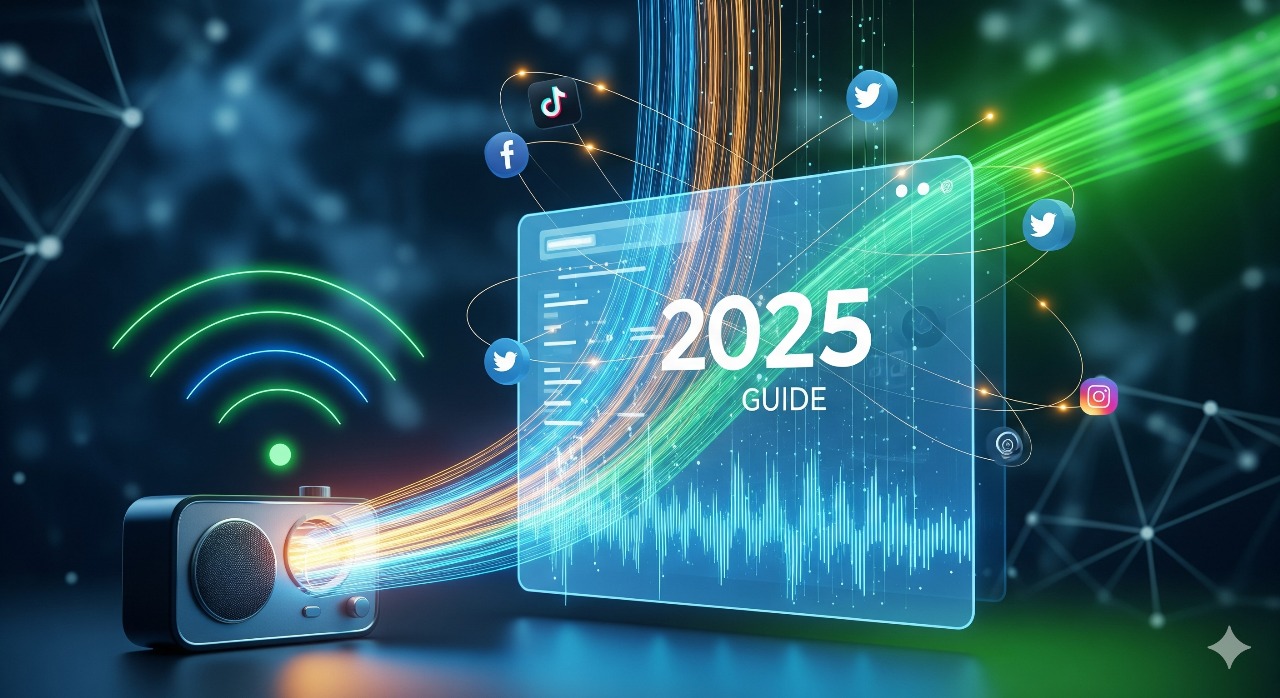
In today’s multi-channel marketing landscape, radio spots remain a vital tool to reach audiences, but combining radio advertising with digital and social media campaigns can dramatically amplify impact. By integrating these channels strategically, brands can boost reach, engagement, and conversions while maximizing their advertising budgets.
This article explores how to effectively integrate radio spots with digital and social campaigns in 2025, providing practical strategies, examples, and tips for seamless cross-channel promotion.
Whether you’re a marketer looking to optimize your advertising mix or a business owner aiming for broader brand visibility, this guide will help you harness the synergy of audio and digital media.
Table of Contents
- Why Integrate Radio with Digital and Social Campaigns?
- Benefits of Cross-Channel Campaign Integration
- Strategies for Seamless Radio and Digital Integration
- How to Coordinate Messaging Across Channels
- Tools and Technologies That Enable Integration
- Measuring the Success of Integrated Campaigns
- Best Practices and Common Pitfalls to Avoid
- Real-World Examples of Successful Integration
- Frequently Asked Questions (FAQs)
- Final Thoughts and Next Steps
1. Why Integrate Radio with Digital and Social Campaigns?
Radio provides massive reach and emotional engagement through audio storytelling, while digital channels offer precise targeting, interactivity, and measurable results. Combining these strengths creates a powerful marketing ecosystem where:
- Radio builds brand awareness and trust at scale.
- Digital campaigns deepen engagement via interactive content and personalization.
- Social platforms enable community building and viral sharing of brand messages.
Together, they foster a consistent brand experience and encourage consumers through the full marketing funnel—from awareness to action.
2. Benefits of Cross-Channel Campaign Integration
| Benefit | Description |
| Enhanced Reach | Touch audiences across multiple platforms, expanding brand exposure. |
| Improved Engagement | Use rich media and two-way communication on digital platforms to engage listeners beyond radio. |
| Higher Conversion Rates | Integrated calls-to-action (CTAs) drive web traffic, sales, and leads more effectively. |
| Consistent Messaging | Reinforces brand voice and message across different touchpoints, building stronger recall. |
| Real-Time Analytics | Digital channels provide immediate feedback to optimize campaigns quickly. |
| Cost Efficiency | Leveraging shared content and coordinated campaigns reduces waste. |
3. Strategies for Seamless Radio and Digital Integration
- Unified Campaign Theme: Develop a central creative concept that translates across radio, social, and digital ads.
- Consistent Branding Elements: Use the same jingles, taglines, voiceovers, and visual assets.
- Cross-Promotions: Promote social contests or offers on radio and vice versa.
- Use of Unique Landing Pages: Create campaign-specific URLs mentioned on radio that lead to tailored web experiences.
- Retargeting: Capture radio listeners online through programmatic ads based on geographic and demographic data.
- Interactive Calls-to-Action: Combine radio invites (“Visit our website” or “Follow us on Instagram”) with easy-to-access digital platforms.
- Leverage Audio in Digital Channels: Use radio spots or jingles in social media posts, stories, or podcasts to create familiarity.
4. How to Coordinate Messaging Across Channels
- Plan Joint Content Calendars: Schedule radio and digital campaign launches together to maximize momentum.
- Adapt Tone and Format: Tailor messaging to suit radio’s audio-only format and digital’s visual/interactive strengths without losing the core brand message.
- Align KPIs: Use shared metrics such as brand lift, website visits, conversions, and social engagement to evaluate overall campaign health.
- Ensure Frequent Communication: Keep creative and marketing teams aligned to maintain consistent voice and rapid iteration.
5. Tools and Technologies That Enable Integration
- Marketing Automation Platforms: HubSpot, Marketo—manage multi-channel campaigns and track attribution.
- Analytics Tools: Google Analytics, Facebook Insights—monitor campaign performance and audience behavior.
- Call Tracking & Attribution Software: CallRail, Twilio—to connect radio calls with digital campaigns.
- Programmatic Advertising Platforms: Allows geo-targeted retargeting of radio listeners online.
- Social Listening Tools: Brandwatch, Sprout Social—track brand mentions and audience sentiment across channels.
6. Measuring the Success of Integrated Campaigns
- Combine radio metrics (listeners reached, frequency) with digital analytics (clicks, engagement, conversions).
- Use attribution models to understand the influence of each channel in the conversion path.
- Analyze cross-channel uplift by comparing regions or segments with and without integrated campaigns.
- Track brand sentiment and recall across media via market surveys and social media analytics.
- Employ A/B testing for digital messaging derived from radio spots to identify best-performing creatives.
7. Best Practices and Common Pitfalls to Avoid
| Best Practices | Pitfalls to Avoid |
| Start with a cohesive campaign plan | Disconnected or inconsistent messaging |
| Leverage complementary strengths | Overloading audiences with redundant content |
| Use clear CTAs and tracking tools | Ignoring measurement and optimization |
| Engage audiences interactively | Underestimating the importance of timing |
| Coordinate across teams and agencies | Lack of communication leading to silos |
8. Real-World Examples of Successful Integration
| Brand/Company | Campaign Example | Outcome and Insights |
| McDonald’s | Coordinated radio ads with social contests linking listeners to hashtags. | High engagement and increased foot traffic. |
| Nike | Used radio spots to announce new product, directed listeners to digital campaigns with exclusive content. | Improved digital conversions and brand buzz. |
| Local Retailer | Radio ads with unique promo codes driving website visits and social shares. | Measureable uplift in both online and in-store sales. |
9. Frequently Asked Questions (FAQs)
Q: Can small businesses benefit from radio and digital integration?
A: Absolutely. Even modest budgets can achieve amplified reach and engagement through smart, targeted integration.
Q: How do I match radio spots to digital creatives?
A: Use consistent messaging, jingles, and CTAs tailored for each channel’s format.
Q: What’s the best way to track ROI across channels?
A: Employ call tracking, unique URLs, promo codes, and analytics platforms to capture data cohesively.
Q: How often should radio and digital campaigns run together?
A: Synchronize campaign timing for maximum impact, typically aligning launches and peak periods.
10. Final Thoughts and Next Steps
Integrating radio spots with digital and social campaigns unlocks the full potential of your marketing spend, delivering richer consumer experiences and stronger business results. By planning carefully, leveraging technology, and fostering collaboration across teams, you can create harmonious campaigns that resonate in 2025’s hybrid media landscape.
Ready to bridge your radio and digital marketing efforts? Start by aligning your creative strategies and investing in tools that connect your media channels seamlessly.
Meta Title: Integrating Radio Spots with Digital and Social Campaigns: Strategies for 2025
Meta Description: Learn how to effectively integrate radio advertising with digital and social media campaigns to amplify reach, engagement, and ROI in 2025. Practical tips and examples included.