
Introduction
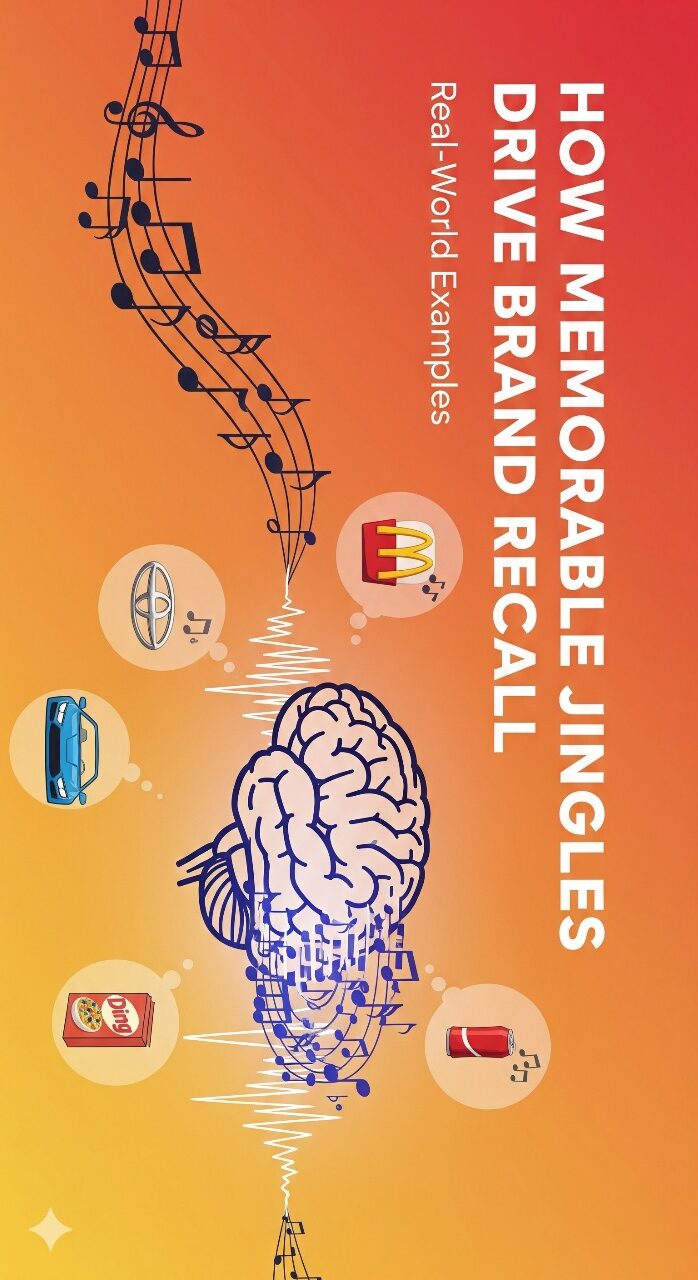
Memorable Jingles Have you ever found yourself humming a catchy tune from a radio commercial hours after hearing it? That’s the power of a memorable jingle—an audio brand booster that sticks in listeners’ minds and amplifies brand recall. In this article, we’ll explore why jingles remain one of the most effective tools in radio advertising, backed by psychology and real-world success stories.
Whether you’re a marketer aiming to boost brand awareness or a business owner curious about audio branding, this guide will help you understand the magic behind jingles and how to leverage them.
Table of Contents
- What Is a Jingle?
- Why Are Jingles So Effective for Brand Recall?
- Science Behind Catchy Melodies and Memory
- Real-World Examples of Successful Radio Jingles
- Elements of a Great Jingle
- How to Create a Memorable Jingle for Your Brand
- Common Myths About Jingles Debunked
- Frequently Asked Questions (FAQs)
- Conclusion and Next Steps
1. What Is a Jingle?
A jingle is a short, catchy song or melody specifically composed to promote a brand, product, or service through radio, TV, or digital advertising. It usually combines memorable lyrics with engaging music to evoke emotions, making the brand instantly recognizable and fostering a lasting connection with the audience.
2. Why Are Jingles So Effective for Brand Recall?
Jingles have been a staple of advertising for decades because they:
- Create Emotional Connections: Music triggers emotional responses, making ads feel personal and memorable.
- Engage Multiple Senses: Combining melody and lyrics helps information “stick” better in the brain than spoken words alone.
- Encourage Repetition: A catchy jingle encourages listeners to replay it in their minds — increasing recall.
- Differentiate Brands: Unique jingles help brands stand out in crowded marketplaces.
- Drive Action: The association of a jingle with a brand or product can lead to quicker decision-making and loyalty.
3. Science Behind Catchy Melodies and Memory
Psychological research shows music activates several brain regions, including those responsible for emotions and memory consolidation. Short, repetitive melodies paired with simple lyrics enhance neural encoding. This means jingles not only help listeners remember a brand name but also associate positive feelings with it.
Key points include:
- Repetition and Rhythm: Facilitate long-term memory formation.
- Simplicity: Makes a melody easier to recall.
- Emotional Triggers: Positive emotions strengthen memory retention.
4. Real-World Examples of Successful Radio Jingles
| Brand | Jingle Tagline / Hook | Impact & Notes |
| McDonald’s | “I’m Lovin’ It” | Launched in 2003; one of the most recognizable jingles globally; boosts emotional brand connection. |
| Kit Kat | “Give Me a Break, Give Me a Break” | Uses simple, catchy melody that evokes fun and craving. |
| Intel | The famous “Intel Inside” chime | Not a full jingle but an iconic sonic logo that confirms brand presence. |
| Nationwide Insurance | “Nationwide is on your side” | Builds trust and reliability through consistent messaging and melody. |
| Folgers Coffee | “The best part of waking up is Folgers in your cup!” | Creates warm, familiar feeling tied to morning routines. |
5. Elements of a Great Jingle
Creating a memorable jingle involves several critical elements:
- Catchy Melody: Simple, repetitive, and easy to sing along.
- Clear Brand Mention: Incorporates the brand name or slogan prominently.
- Emotional Tone: Matches brand personality—fun, trustworthy, or aspirational.
- Concise Length: Usually between 10 to 30 seconds for broadcast efficiency.
- High Production Quality: Professional voiceovers, music arrangement, and mixing.
- Uniqueness: Differentiates from competitors, avoiding clichés.
6. How to Create a Memorable Jingle for Your Brand
- Understand Your Brand Identity: Define your core values and target audience.
- Develop a Clear Message: What do you want your audience to remember?
- Work with Experienced Composers & Copywriters: Craft lyrics and tune that resonate.
- Test With Your Audience: Gather feedback for emotional appeal and recall.
- Integrate Seamlessly in Campaigns: Use across radio, digital, and social channels.
- Ensure Ownership and Licensing Clarity: Guarantee exclusive rights to your jingle.
7. Common Myths About Jingles Debunked
| Myth | Reality |
| Jingles are outdated | Modern jingles adapt with trends and digital audio platforms. |
| Only big brands can afford jingles | Smaller businesses can produce effective jingles on modest budgets. |
| Jingles annoy audiences | When well-crafted and relevant, jingles enhance listener experience. |
8. Frequently Asked Questions (FAQs)
Q: How long should a jingle be?
A: Typically 10-30 seconds; short enough to be memorable but long enough to convey your message.
Q: Can I reuse a jingle across other media?
A: Yes, jingles are versatile and work well on TV, social media, websites, and podcasts.
Q: How much does jingle production cost?
A: Costs vary based on complexity, talent, and rights, ranging from a few hundred to several thousand dollars.
9. Conclusion and Next Steps
Memorable jingles are powerful tools for building lasting brand recall and emotional connections with your audience. By blending psychology, creativity, and strategic production, your brand can sing its way into people’s minds, driving recognition and loyalty.
Ready to create a jingle that resonates? Start by defining your brand’s unique message and partnering with a professional audio production team that understands your vision.
Meta Title: How Memorable Jingles Boost Brand Recall: Real-World Examples & Tips for 2025
Meta Description: Discover why jingles are still essential for brand recall in 2025, backed by science and proven examples. Learn how to create your own catchy jingle today!