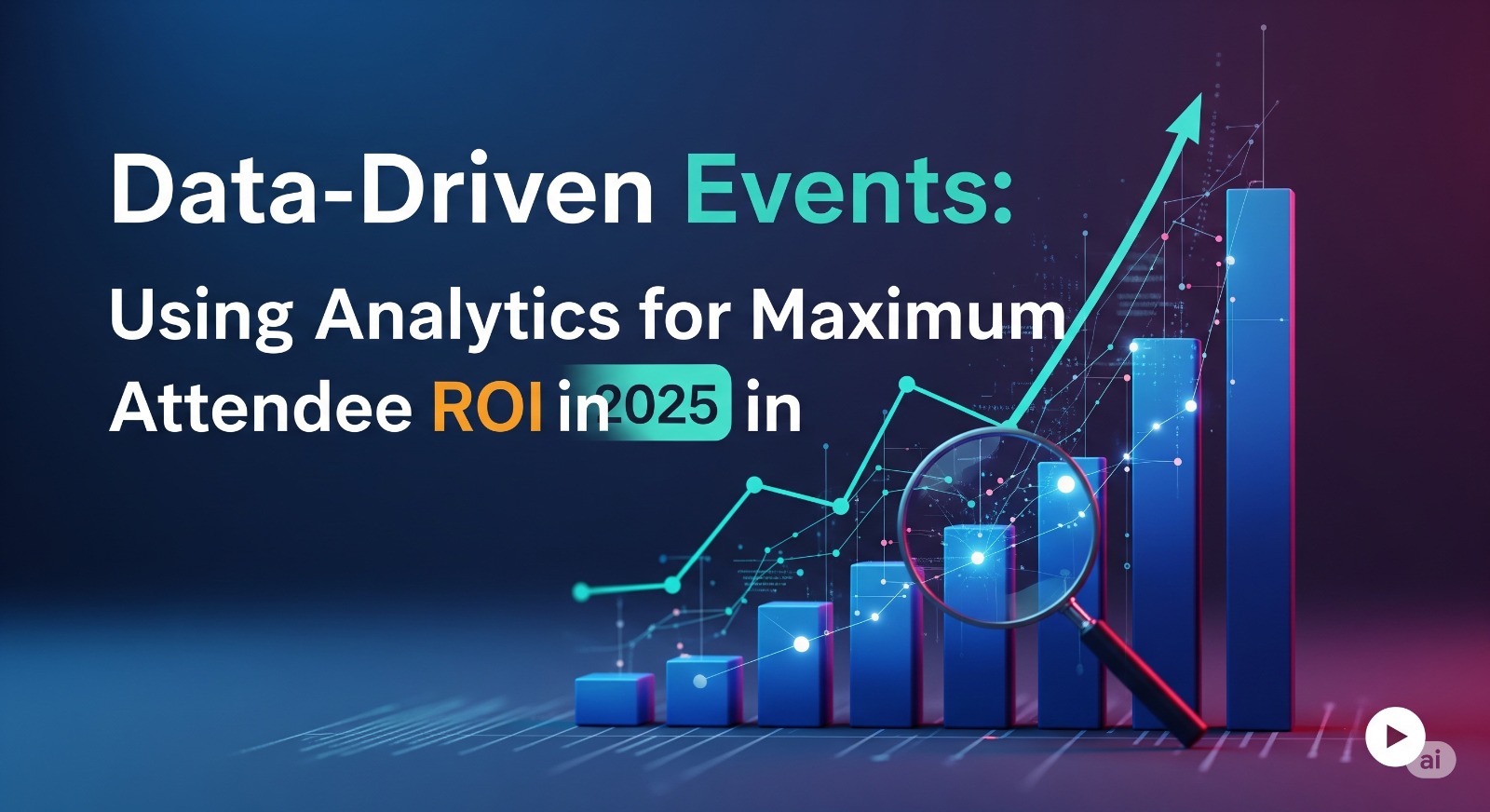
In today’s fast-paced event management landscape, simply organizing an event is no longer enough. Whether you’re planning a corporate conference, a product launch, or a large social gathering, clients and organizers alike are demanding a clear ROI (Return on Investment). This is why data-driven event management has become one of the hottest trends in 2025.
In this article, we’ll explore how leveraging analytics, ROI-focused event management, and event management technology can revolutionize the way you plan, execute, and evaluate your events — ensuring every dollar, minute, and effort counts.
Why Data Matters More Than Ever in Event Management
Gone are the days when an event’s success was judged solely by attendance or subjective feedback. Modern clients are asking:
- Did the event achieve business goals?
- How engaged were attendees?
- What was the return on investment (ROI)?
Internet searches for keywords like “ROI-focused event management”, “event reporting”, and “event analytics” are surging, reflecting this shift.
Key Benefits of Data-Driven Event Management
- Enhanced Attendee Engagement Insights
Using mobile event apps, wearable tech, or feedback surveys, event planners gather real-time data on attendee behavior — including session attendance, interaction rates, and networking patterns. This granular insight allows you to tailor future events to audience preferences. - Optimized Budget Allocation
Analytics help you identify which elements of your event had the biggest impact. For instance, if the catered lunch generated high satisfaction scores, but a particular speaker session had low attendance, you can reallocate funds smarter next time. - Proving Impact to Stakeholders
Using data, you can produce detailed reports showing how the event contributed to lead generation, brand awareness, or internal training outcomes, validating the investment for your clients or company leadership.
How to Use Event Management Technology for Analytics
To successfully collect and analyze data, modern event organizers turn to integrated platforms that provide:
- Attendee tracking via event apps: Monitor which sessions participants join, their check-in/check-out times, and networking engagement.
- Surveys and feedback tools: Capture immediate post-session feedback and overall event satisfaction.
- Social media monitoring: Measure buzz and sentiment around the event hashtag or brand mentions.
- Financial dashboards: Track expenses, revenue from ticket sales, sponsorships, and ROI metrics in one place.
Leading event management services now offer analytics as a core function, often powered by AI to extract actionable insights from complex data sets.
Best Practices for Maximizing ROI with Data
- Set Clear Goals Before the Event
Decide what success looks like — whether it’s lead generation, attendee satisfaction, or brand exposure — and choose the right KPIs to measure these outcomes. - Use Data to Personalize the Attendee Experience
Based on past events or registration data, tailor session recommendations, networking opportunities, or wellness activities to different audience segments. - Evaluate and Iterate Post-Event
Analyze what worked and what didn’t, then refine your approach. Share comprehensive reports with all stakeholders to demonstrate value and improve future planning. - Combine Online and Offline Data
In hybrid or physical events, blend digital engagement data with onsite observations and interactions for a complete picture.
The Role of ROI-Focused Corporate Event Planners
Corporate event planners are increasingly expected to blend creativity with data literacy. By partnering with event management companies that specialize in analytics and reporting, businesses can ensure their events not only inspire but also deliver measurable business results.
Final Thoughts
The era of guesswork in event management is over. In 2025, using event management technology and embracing a data-driven approach is the key to maximizing ROI and creating truly impactful experiences for attendees and organizers alike.
If you want to stay competitive and satisfy clients demanding transparency and accountability, integrating analytics into your event planning process is no longer optional — it’s essential.