Introduction
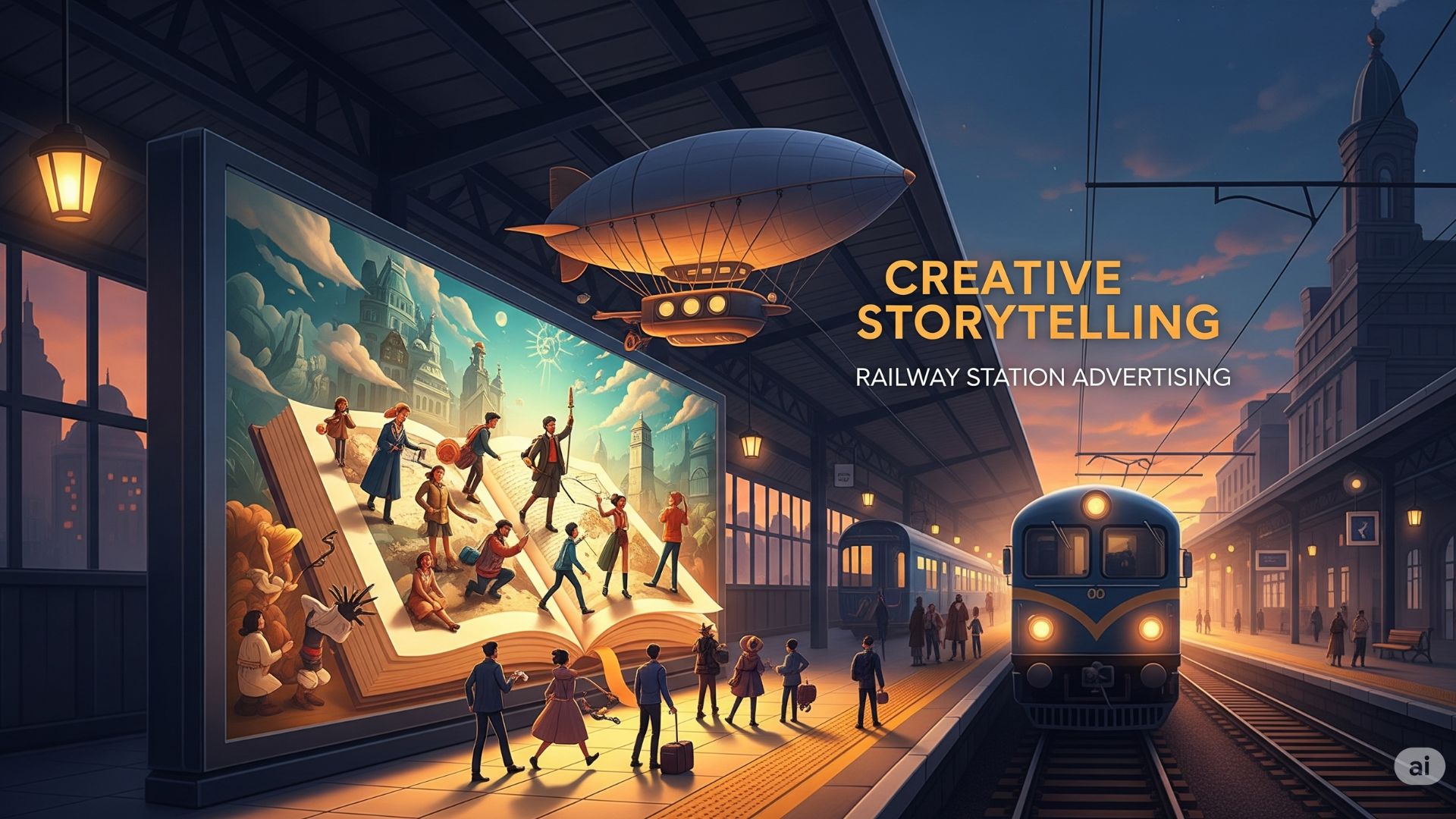
Railway stations bustle with millions of commuters daily, making them ideal venues for brands to communicate through creative storytelling. Unlike traditional advertising that bombards viewers with facts and offers, storytelling captivates audiences by weaving meaningful narratives that resonate emotionally and intellectually. Effective storytelling in railway station advertising can transform fleeting glances into memorable brand experiences.
This article explores powerful storytelling techniques tailored for the unique environment of railway stations and offers guidance on crafting compelling narratives that engage diverse commuters.
1. Why Storytelling Matters in Railway Station Advertising
- Captures Attention Amidst Clutter: Stories attract attention more naturally than conventional ads.
- Forges Emotional Connections: Narratives create empathy and deepen brand affinity.
- Enhances Recall: Stories are easier to remember than isolated facts or slogans.
- Encourages Sharing: Memorable stories invite social media shares and word-of-mouth.
- Differentiates Your Brand: Unique stories set your ads apart in a competitive visual landscape.
2. Key Storytelling Techniques for Effective Railway Station Ads
a. Use Relatable Characters and Situations
- Depict everyday commuters, local heroes, or culturally relevant personas.
- Show authentic moments reflecting the target audience’s lifestyle or aspirations.
b. Start with a Strong Hook
- Use striking visuals or intriguing questions to catch attention instantly.
- Open with a relatable problem or scenario that commuters can identify with.
c. Convey Clear and Simple Narratives
- Focus on a single storyline that’s easily understood within seconds.
- Use minimal text complemented by evocative images or short videos.
d. Leverage Emotion and Sensory Details
- Incorporate feelings—joy, nostalgia, inspiration, or hope—to engage commuters’ hearts.
- Use colors, sounds (in digital ads), and tactile elements (where possible) to enrich storytelling.
e. Incorporate Local Culture and Context
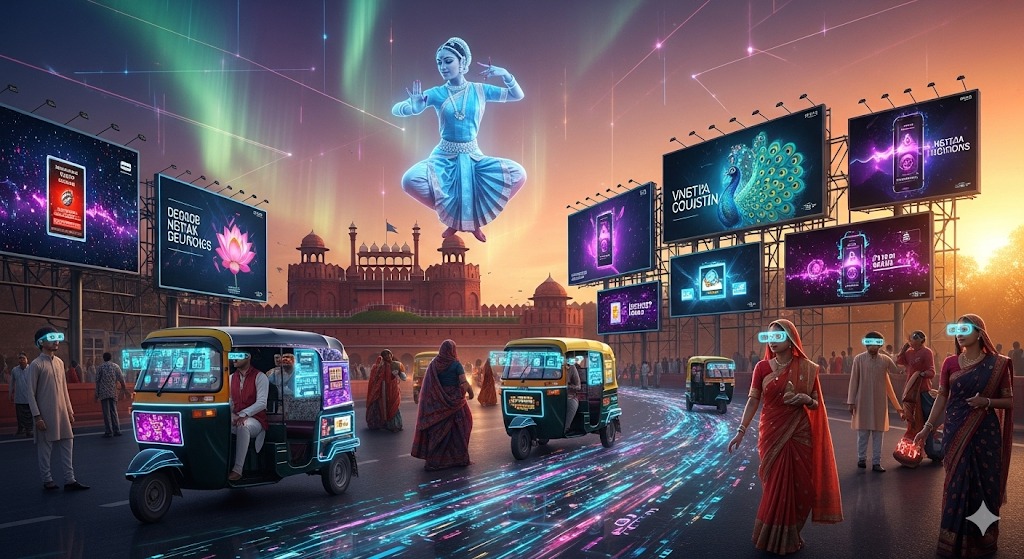
- Embed regional festivals, landmarks, languages, or traditions to build relevance.
- Reflect diverse commuter backgrounds for inclusive messaging.
f. Build a Story Arc with a Beginning, Middle, and End
- Even in brief formats, imply progression by showing a challenge, action, and resolution.
- Encourage commuters to mentally fill in missing plot elements and engage actively.
g. Use Humor and Surprise
- Light-hearted or unexpected twists make ads memorable and shareable.
- Tailor humor to local sensibilities to avoid misunderstandings.
h. Integrate Calls to Action Naturally
- Seamlessly link the story to the brand or offer without breaking the narrative flow.
- Use compelling CTAs that invite participation or discovery rather than blunt sales pitches.
3. Formats That Support Storytelling in Railway Stations
- Digital video walls for short stories and animations.
- Interactive kiosks with episodic content or choose-your-own-adventure style stories.
- Train wraps telling sequential stories seen along a route.
- Static hoardings using strong visuals and evocative headlines.
- Audio storytelling through station public address (PA) systems or headphone apps.
4. Measuring Success of Storytelling Campaigns
- Track emotional response and message recall via commuter surveys and focus groups.
- Analyze social media engagement with story-related hashtags and user content.
- Monitor dwell times and interactions with digital or interactive stories.
- Measure uplift in brand metrics linked to narrative campaigns.
5. Case Studies of Storytelling in Railway Advertising
- A travel company’s video series displayed on London station digital screens that told stories of diverse passengers’ adventures, increasing brand affinity by 30%.
- A beverage brand used humorous local commuter anecdotes on Mumbai platform hoardings, boosting social media mentions by 40%.
- A nonprofit utilized emotional storytelling with imagery of commuter family moments in Delhi to enhance donations by 25%.
Conclusion
Creative storytelling is a vital tool for brands seeking to break through the visual noise of railway stations and foster meaningful connections with commuters. By crafting relatable narratives, using emotional hooks, and employing formats suited to the transit environment, advertisers can engage millions effectively and memorably.
Investing in compelling storytelling transforms railway advertising from mere exposure to lasting brand experiences that inspire, entertain, and motivate action.
Are you ready to tell your brand’s story at railway stations? Collaborate with creative professionals and transit media experts to develop impactful storytelling campaigns that captivate and convert.
Frequently Asked Questions (FAQs)
Q1: How long should a story be in railway station advertising?
Stories must be brief and clear—ideally conveyed within a few seconds—due to commuters’ limited attention spans.
Q2: Can digital storytelling work better than static ads?
Yes, digital formats allow richer narratives through motion, sound, and interactivity, enhancing commuter engagement.
Q3: How important is local relevance in storytelling?
Extremely important—locally relevant stories resonate more deeply, improving emotional impact and recall.
Q4: Can storytelling techniques be used for all product types?
Yes, with tailored narratives, storytelling can be effective across categories by connecting brand values and consumer emotions.