Introduction
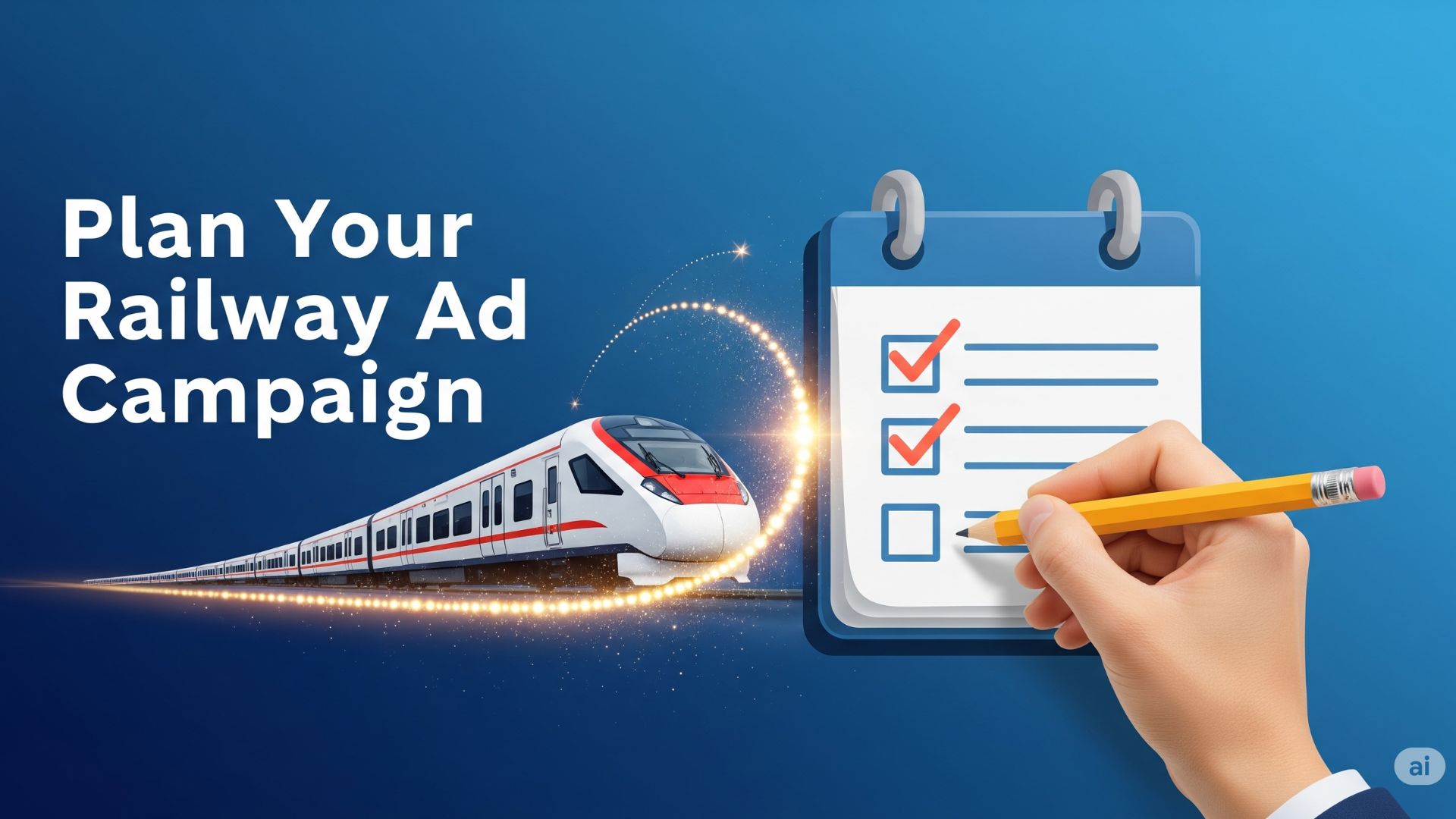
Launching your first advertising campaign in a railway station can open powerful opportunities to reach millions of daily commuters and influence diverse audiences. However, planning and booking such campaigns require careful strategy, understanding of available formats, and coordination with railway authorities or media agencies.
This guide walks you through the essential steps to successfully plan, book, and execute your first railway station advertising campaign, ensuring maximum impact and optimal use of your budget.
1. Understand the Benefits and Opportunities
Before diving into booking, familiarize yourself with why railway station advertising is valuable:
- Massive and diverse daily audience
- Extended dwell time leads to better ad recall
- Multiple ad formats to suit your brand and budget
- Strategic locations for high visibility (platforms, concourses, entrances)
Knowing these benefits helps you define clear campaign objectives.
2. Define Campaign Goals and Budget
Clarify the purpose of your campaign: brand awareness, product launch, footfall increase at stores, or special promotions. Your goals will influence ad format and location selection.
- Set a realistic budget based on your campaign scale and duration.
- Consider costs vary widely between static hoardings, digital screens, and train wraps.
3. Research Advertising Formats and Locations
Explore the available advertising formats:
- Static billboards, hoardings, posters
- Digital LED screens and video walls
- Train wraps (exterior and interior)
- Interactive kiosks and sponsorship opportunities
Evaluate which formats align best with your goals, audience, and budget.
Consider station areas with high footfall such as main platforms, entry/exit gates, waiting lounges, and ticket counters.
4. Identify Target Stations and Audience
Choose railway stations strategically based on your target market:
- Major hubs in metropolitan cities for broad exposure
- Regional and tier-II city stations for localized campaigns
- Stations with the highest foot traffic during your campaign period
Analyze commuter demographics to maximize audience relevance.
5. Contact Railway Advertising Authorities or Media Agencies
Advertising rights in railway stations are typically managed by authorities or specialized media agencies. Contact them to:
- Check available ad spaces and formats
- Obtain rate cards and media kits
- Understand booking procedures, minimum durations, and regulations
Using a reputable transit media agency can simplify the process, negotiate better rates, and handle compliance and logistics.
6. Plan Creative and Messaging
Create compelling advertisements that resonate with your audience and comply with railway guidelines:
- Use bold visuals and concise messaging for quick comprehension
- Include calls-to-action suitable for transit audiences
- For digital formats, plan dynamic content rotations or video ads
Test your creative for readability from different station vantage points.
7. Confirm Booking and Execute Campaign
Once you finalize ad format, location, duration, and pricing:
- Secure your booking early to ensure availability—major stations have high demand.
- Coordinate with the agency or authority for installation schedules.
- Monitor campaign launch and ongoing status if digital content is involved.
8. Measure Campaign Performance
Evaluate your campaign success using:
- Footfall and impression data (sometimes provided by authorities)
- Brand recall and engagement surveys
- Sales or traffic lift metrics linked to campaign timing
- Digital interaction analytics for kiosk or LED screen ads
Learning from your first campaign helps optimize future advertising efforts.
Conclusion
Booking and planning your first railway station advertising campaign may seem complex initially, but with clear goals, solid research, and strategic partnerships, it can become a highly effective marketing channel. Start by understanding your audience, selecting the right formats and stations, and working closely with media professionals to maximize your campaign’s impact.
Ready to get started? Reach out to railway advertising agencies or media authorities today to explore available options and kick off your first transit advertising success!
Frequently Asked Questions (FAQs)
Q1: How far in advance should I book railway station ad space?
Booking at least 4 to 8 weeks ahead is advisable, especially in major stations, to secure premium locations and complete approvals.
Q2: Can small businesses afford railway station advertising?
Yes, by choosing smaller formats or regional stations, small businesses can plan cost-effective campaigns.
Q3: Are digital ads more expensive than static ones?
Generally, yes. Digital offers flexibility and engagement but comes at a higher cost compared to static posters or hoardings.
Q4: Who handles permissions and compliance for campaigns?
Transit media agencies or railway advertising authorities manage approvals, ensuring campaigns meet guidelines.