Introduction
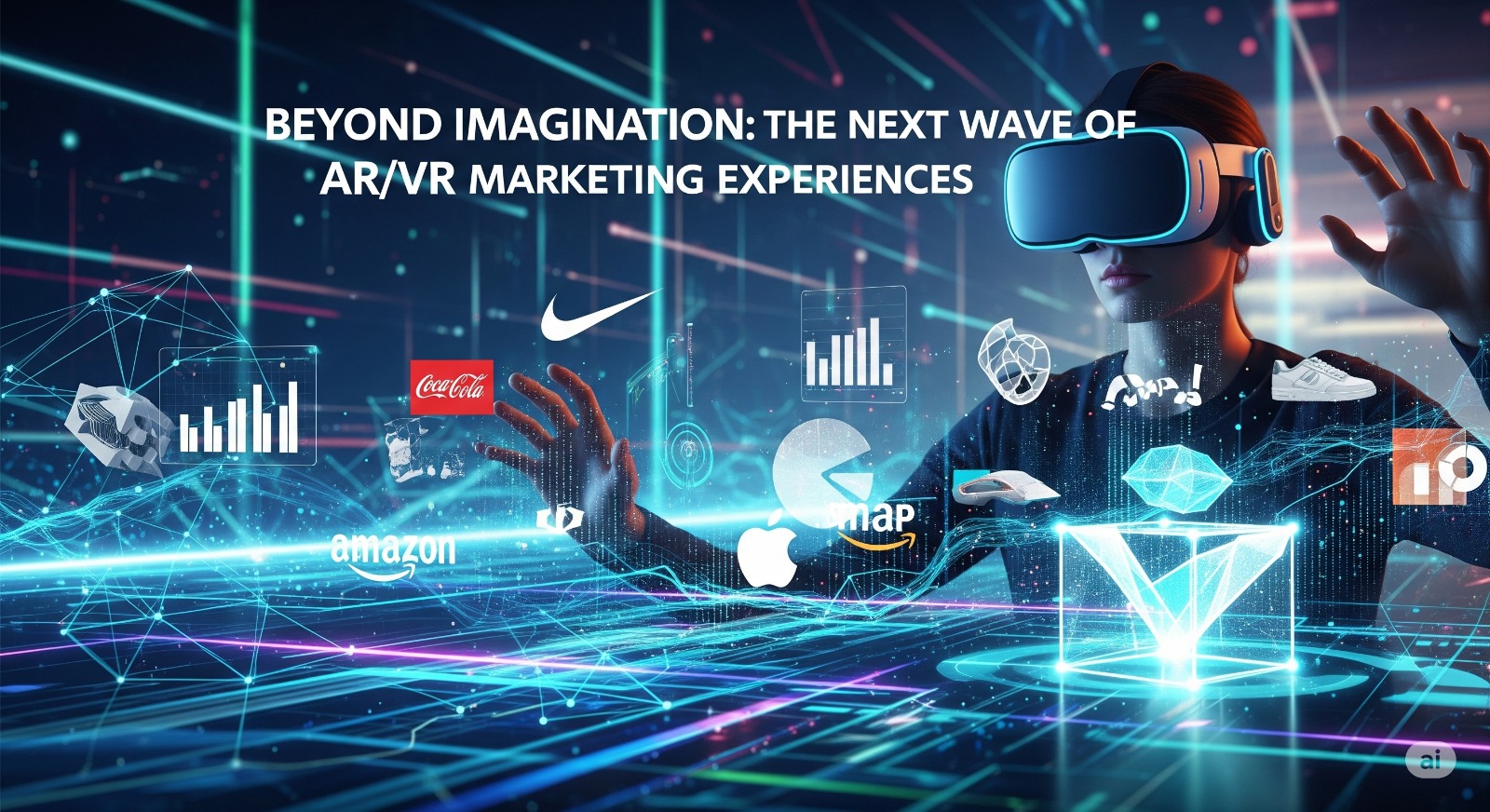
Augmented Reality (AR) and Virtual Reality (VR) are pushing marketing into realms once reserved for science fiction. No longer limited to gaming or entertainment, AR/VR technologies are now delivering immersive, interactive brand experiences that capture attention, foster engagement, and drive results. This article explores the innovative wave of AR/VR marketing, the benefits for brands and consumers, and actionable ideas to inspire your next campaign.
Table of Contents
- Why AR/VR Are Revolutionizing Marketing
- Top AR/VR Marketing Strategies
- Try-Before-You-Buy Experiences
- Interactive Brand Storytelling
- Virtual Events & Showrooms
- Gamified Brand Engagement
- Try-Before-You-Buy Experiences
- Essential Tools and Platforms in AR/VR Marketing
- Common Pitfalls and How to Avoid Them
- Frequently Asked Questions
- Conclusion & Next Steps
Why AR/VR Are Revolutionizing Marketing
AR and VR technologies allow brands to engage audiences in ways previously impossible. Here’s how:
- Immersion: Audiences are transported into branded environments or experiences, making marketing messages more memorable.
- Personalization: AR/VR can tailor experiences to individual preferences and contexts.
- Interactivity: Consumers interact with products or stories, increasing emotional connection and retention.
- Convenience: Try out products, attend events, or explore showrooms—all from the comfort of home.
“AR and VR marketing campaigns have been shown to increase dwell time by up to 400% and purchase intent by over 70% compared to conventional online content.”
Top AR/VR Marketing Strategies Try-Before-You-Buy Experiences
- Example: Home furnishing retailers let shoppers visualize couches or art in their living room using AR apps.
- Result: Reduces returns and increases buyer confidence.
Interactive Brand Storytelling
- Example: Beverage brands creating AR-enabled labels that launch animated stories via smartphone.
- Result: Turns passive packaging into active engagement.
Virtual Events & Showrooms
- Example: Automotive brands hosting VR car launches or virtual tours of new models.
- Result: Global reach without physical limitations.
Gamified Brand Engagement
- Example: Fast-food chains adding AR treasure hunts to their marketing, rewarding participation with coupons.
- Result: Transforms marketing into a shareable consumer adventure.
Essential Tools and Platforms in AR/VR Marketing
| Tool/Platform | Use Case | Notes |
| Snapchat Lens Studio | Custom AR filters | Widely used for viral campaigns |
| Meta Spark AR | Instagram & Facebook AR effects | Powerful for social brand activations |
| Unity & Unreal Engine | Custom VR/AR application development | Industry standard for immersive, interactive experiences |
| Google ARCore/Apple ARKit | Mobile AR apps | Enable high-quality AR on smartphones |
Common Pitfalls and How to Avoid Them
- Overcomplicating Experiences: Keep interactions intuitive. Complexity can alienate users.
- Neglecting Accessibility: Ensure AR/VR campaigns support a wide range of devices for maximum reach.
- Ignoring Analytics: Track engagement metrics to refine future experiences.
Frequently Asked Questions
Q: Is AR/VR marketing expensive?
A: Costs can vary—some AR experiences (like simple filters) are affordable, while custom VR builds require more investment. Choose approaches that fit your budget and goals.
Q: Do audiences need headsets for VR campaigns?
A: Not always. Many experiences work on smartphones or within web browsers, broadening accessibility.
Q: Are these campaigns measurable?
A: Yes. Engagement, time spent, and conversion metrics are trackable, just like with traditional digital campaigns.
Conclusion & Next Steps
AR/VR marketing is moving beyond imagination—turning ideas into immersive journeys that consumers love to share. Whether you’re a small business or a global brand, start by identifying your audience’s needs, choosing the right platforms, and keeping the user experience at the center of your creative process.