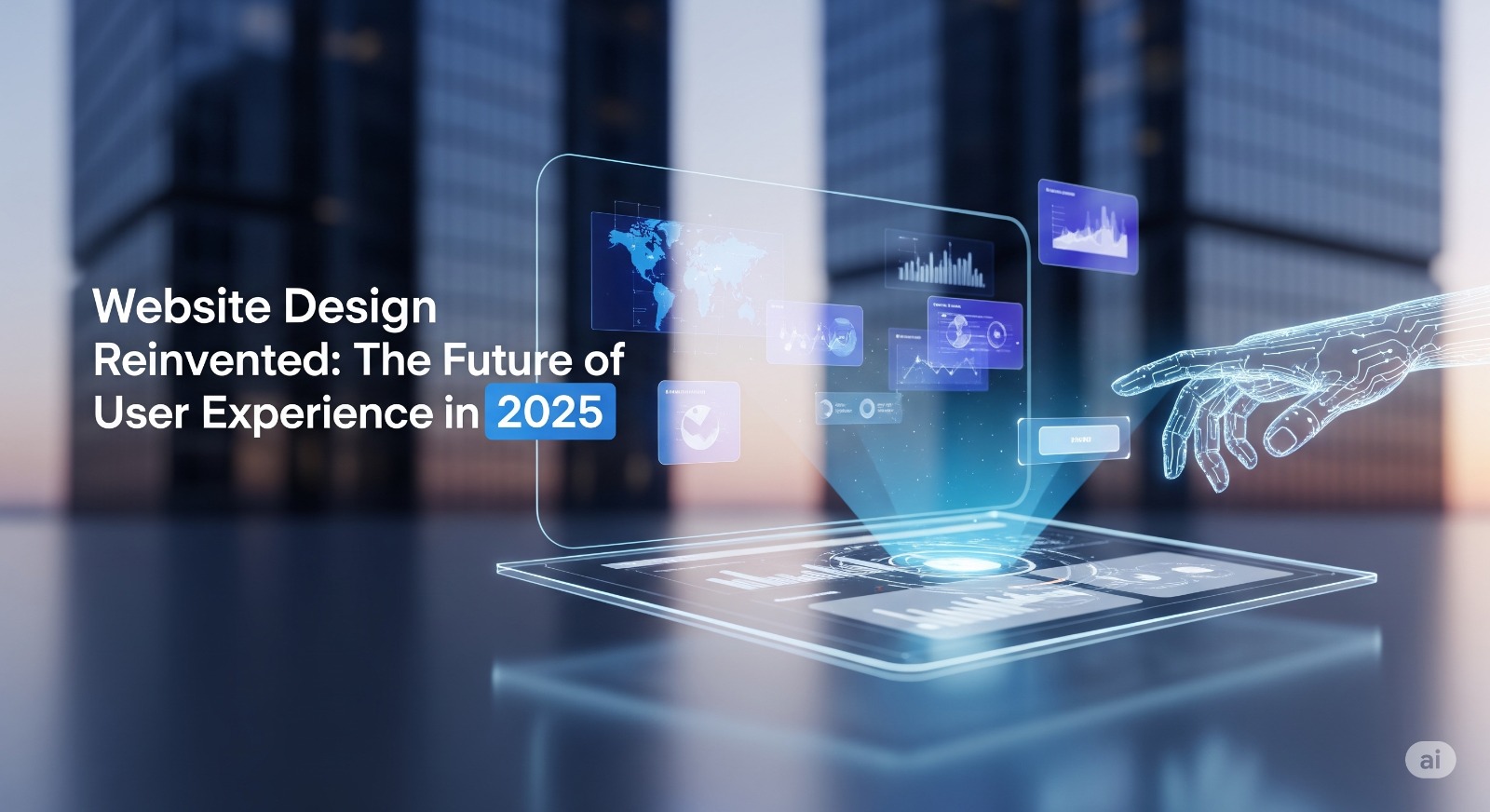
The digital world is evolving at an unprecedented pace, and so are users’ expectations. In 2025, website design is no longer just about aesthetics — it’s about performance, emotion, interaction, and personalization. If your website still functions like it’s 2015, you’re already behind.
Table of Contents
- Human-Centered Design is Now Non-Negotiable
- Microinteractions Enhance Digital Touchpoints
- AI-Powered Personalization
- Voice and Gesture Interfaces
- Seamless Mobile-First Experiences
- Motion and Depth Add Meaning
- Accessibility as a Competitive Advantage
- Final Thoughts
- FAQs
1. Human-Centered Website Design is Now Non-Negotiable
In 2025, successful websites are built around user behavior, not just business goals. Human-centered design means creating interfaces that are intuitive, inclusive, and emotionally intelligent.
When you focus on what users actually need and feel, you don’t just improve usability — you build trust.
Best for: Brands aiming for long-term loyalty and engagement
Applications: UX research, behavior-driven interfaces, journey mapping
2. Microinteractions Enhance Digital Touchpoints
Small animations and feedback elements — like hover states, loading animations, or success messages — now play a big role in shaping user satisfaction.
These subtle touches give users control, reduce uncertainty, and make the interface feel alive.
Best for: SaaS, e-commerce, apps
Examples: Button feedback, swipe indicators, cart animations
3. AI-Powered Personalization
Personalization is no longer about showing a name in a header. In 2025, AI adapts content, layout, and calls-to-action in real time based on user data.
This means every visitor gets a tailored experience — improving conversion and reducing bounce rates.
Best for: DTC brands, SaaS, e-learning
Tech to Watch: Dynamic content delivery, AI chat assistants, behavioral targeting
4. Voice and Gesture Interfaces
With smart devices everywhere, voice search and gesture-based navigation are becoming mainstream. Websites must now accommodate non-visual and hands-free interactions.
If your site can’t respond to voice commands or adapt to wearable interfaces, you’re missing users on the move.
Best for: Health tech, education, accessibility-first services
Emerging Tools: Google Assistant API, Apple Vision Pro SDK, Web Speech API
5. Seamless Mobile-First Experiences
Google’s indexing is mobile-first, and in 2025, users are too. That means your design should be fast, responsive, and touch-optimized — not just “mobile-friendly.”
Cluttered layouts, long load times, and tap-unfriendly elements are instant turn-offs.
Best for: All industries
Must-Haves: Core Web Vitals, mobile speed, fluid breakpoints
6. Motion and Depth Add Meaning
Static Website Design are giving way to interactive storytelling. Subtle animations, layered scrolling, and 3D transitions guide users and convey information with emotion.
When done right, motion isn’t just decoration — it’s functional, strategic, and immersive.
Best for: Media, design studios, high-end e-commerce
Examples: Parallax effects, animated reveals, hover-based navigation
7. Accessibility as a Competitive Advantage
Designing for users with disabilities isn’t just ethical — it’s smart. In 2025, websites that meet accessibility standards win more users, face fewer legal risks, and benefit from improved SEO.
Tools like screen readers, keyboard navigation, and alt text aren’t optional anymore — they’re part of mainstream design strategy.
Best for: All brands — especially those in education, government, and finance
Standards to Follow: WCAG 2.2, ARIA labels, ADA compliance
Final Thoughts
Website design in 2025 is about more than beauty — it’s about behavior, emotion, and adaptability. Brands that embrace user-centered innovation will not only survive but thrive in the new digital era.
Ask yourself:
- Is your site personalized in real time?
- Can it be used by anyone, on any device?
- Does it feel alive, intuitive, and meaningful?
- If not, it’s time to rethink your design strategy.
Frequently Asked Questions
Q: Is mobile-first still important in 2025?
A: Yes — more than ever. With increasing mobile traffic, Google’s algorithm and users prioritize mobile speed, clarity, and ease of use.
Q: What are microinteractions and why do they matter?
A: Microinteractions are small design elements that guide, reassure, or reward users during interactions. They make websites feel responsive and alive.
Q: How does AI personalize user experience on a website?
A: AI collects and analyzes user behavior in real time to show the most relevant content, offers, or layouts, boosting engagement and conversions.