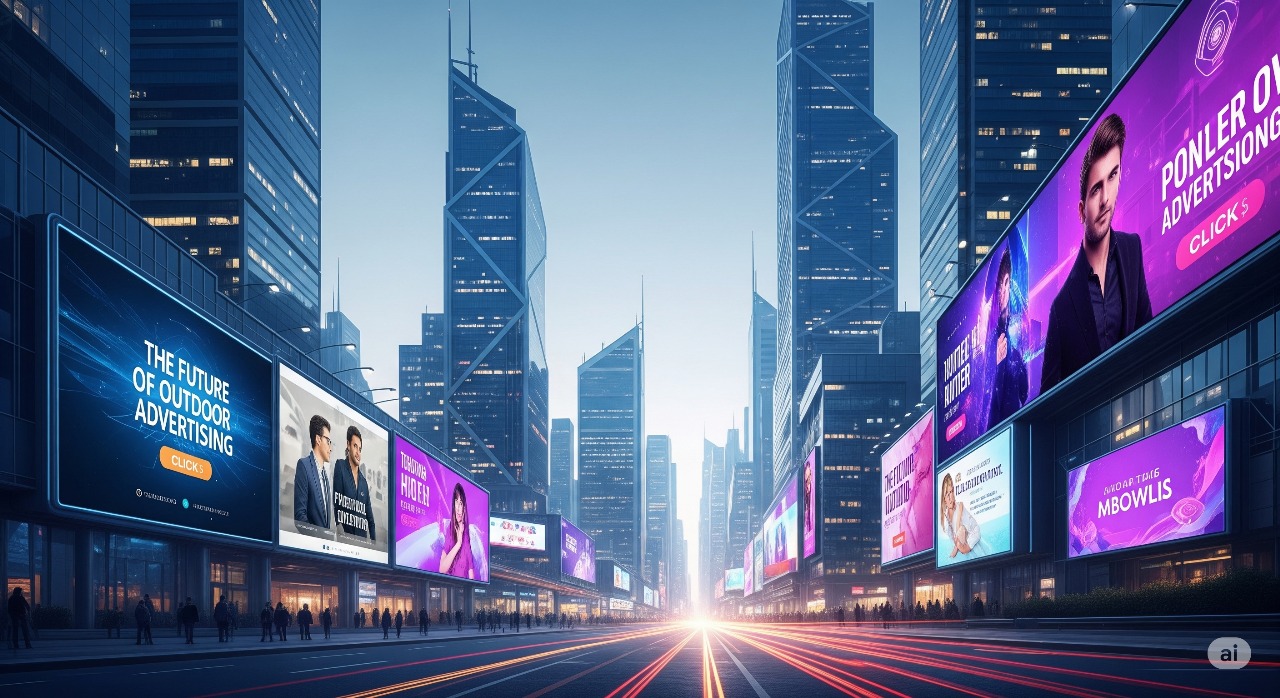
Outdoor advertising is experiencing a revolution.
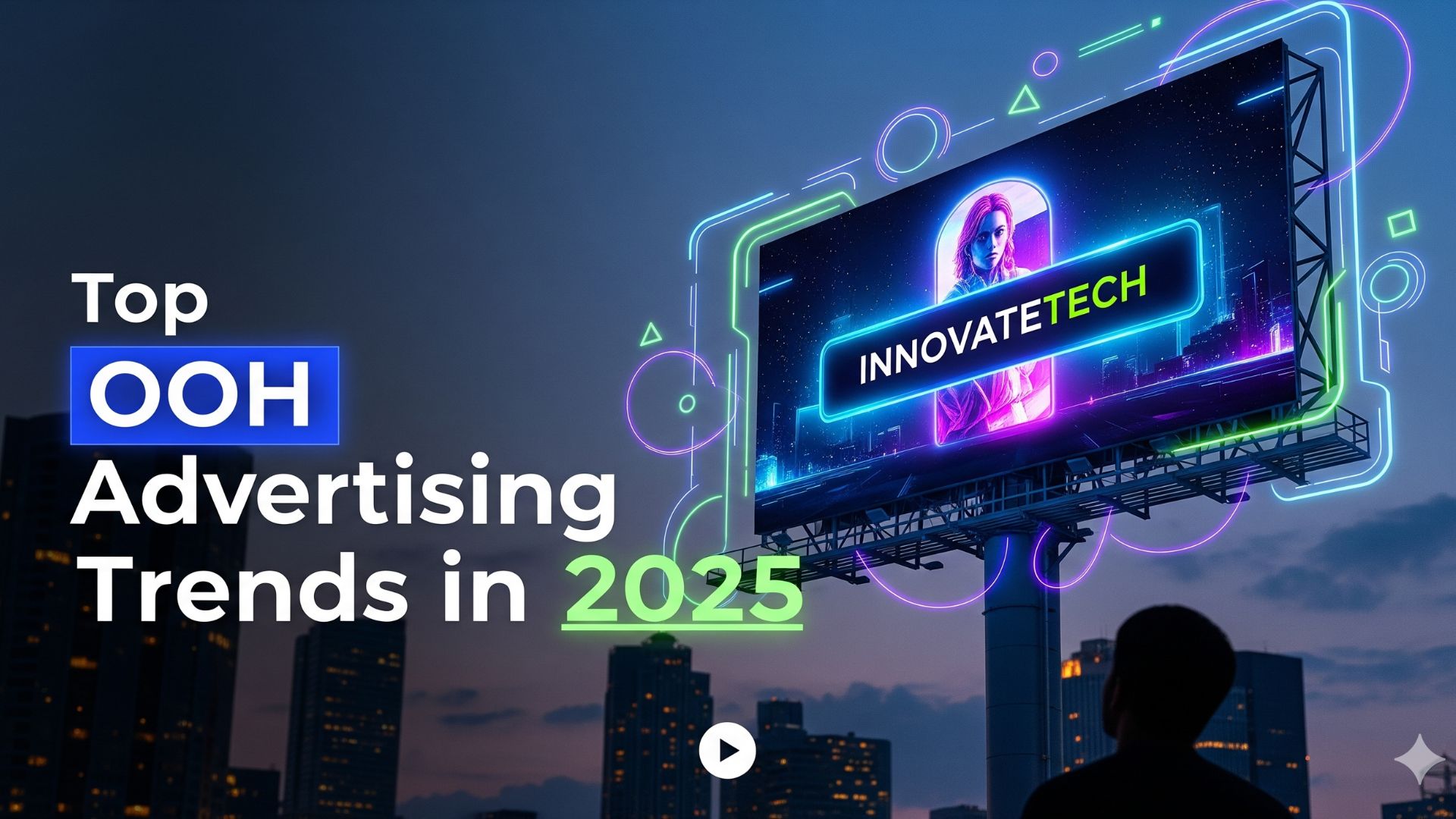
In 2025, the world of Top OOH Advertising Trends Out-of-Home (OOH) advertising is more dynamic, targeted, and digital than ever. If you’re a brand or marketer looking to stay competitive, understanding where the industry is headed is no longer optional — it’s essential.
In this article, we’ll explore the top outdoor advertising trends shaping 2025, supported by data, tech insights, and real-world examples. Whether you’re planning a billboard campaign or investing in digital OOH (DOOH), these trends will help you optimize reach, relevance, and return.
Why OOH Matters More Than Ever in 2025
As digital fatigue rises and ad-blockers limit online impressions, OOH provides unskippable, unavoidable visibility in the physical world.
- 70% of people notice outdoor ads during routine travel
- OOH boosts digital campaigns by up to 48% when used together
- With smart cities and transit growth, outdoor ad space is increasing worldwide
Top 10 OOH Advertising Trends Dominating 2025
1. Digital Out-of-Home (DOOH) Takes the Lead
Static billboards are being replaced by smart digital displays in malls, subways, airports, and highways. DOOH is delivering video, motion graphics, and personalized content.
Trending Features:
- Dynamic content updates via CMS
- Video ads with dayparting (different messages at different times)
- Cross-channel integration with mobile & social
Example: A pizza brand displays dinner deals starting 5 PM on a DOOH screen near college campuses.
2. Programmatic OOH Advertising
Just like online ads, billboards and DOOH screens can now be bought programmatically.
Key Benefits:
- Real-time bidding & targeting
- Flexible ad scheduling
- Optimized budgets across locations
Platforms like Vistar Media and Broadsign are powering programmatic campaigns across cities.
3. Hyperlocal and Geofenced Targeting
In 2025, outdoor campaigns can be planned with neighborhood-level precision.
You’ll see:
- Localized creatives for specific districts
- Ads timed based on footfall data
- Route-based planning for transit ads
Example: A boutique gym advertises only in a 3 km radius around its location during morning rush hours.
4. Sustainable Outdoor Advertising
Modern OOH campaigns are going green. Brands are prioritizing eco-conscious media options.
Trends include:
- Solar-powered digital billboards
- Biodegradable ad vinyls
- Green living walls used as ad surfaces
A beauty brand in London launched a “plant-powered” billboard absorbing CO₂ — drawing global media coverage.
5. AI-Powered OOH Analytics
AI is being used for:
- Real-time audience tracking (age, gender prediction)
- Campaign optimization suggestions
- Predictive performance analysis
Data-driven insights help advertisers shift screens or messaging mid-campaign for better results.
6. QR Codes & Mobile Integration
OOH ads now include QR codes, NFC, and short links to drive immediate interaction.
What’s Trending:
- Scan-to-buy integrations
- AR experiences launched from outdoor ads
- App installs and coupon downloads via nearby DOOH screens
A retail brand increased scan traffic by 300% using a QR-led flash sale billboard.
7. Real-Time & Contextual Campaign Triggers
DOOH platforms can now change creatives based on external triggers like:
- Weather
- Time of day
- Event schedules
- Social trends
A sports drink brand runs hydration ads only during high-heat times in summer using real-time temperature triggers.
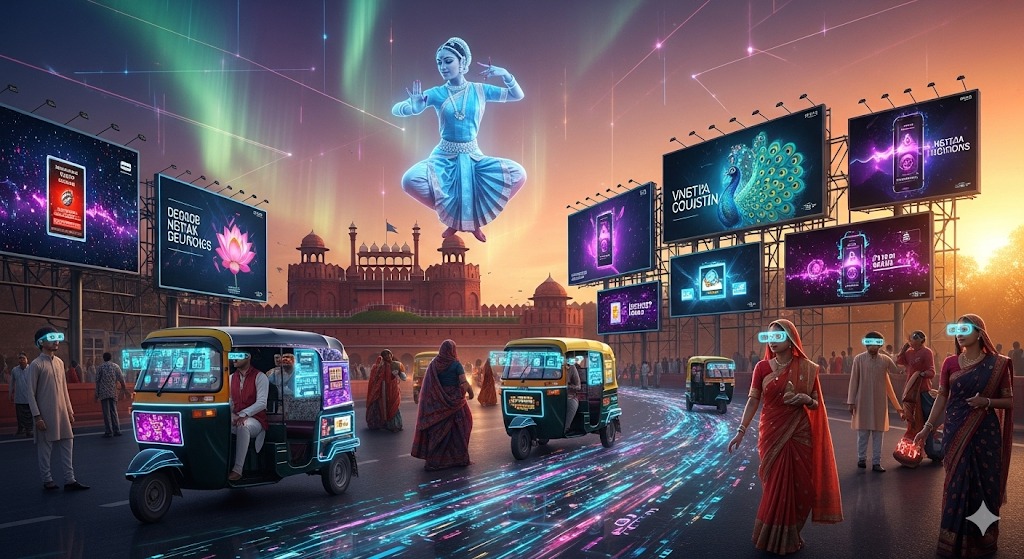
8. 3D & Interactive Billboard Experiences
3D billboards are here — delivering “wow” moments and viral potential.
Formats in 2025 include:
- Augmented reality integrations
- Billboard installations with physical interactivity
- Holographic projections on large surfaces
Brands like Nike and Netflix use 3D billboards in Times Square to go viral instantly on social media.
9. Attribution Models for OOH ROI
OOH is now measurable in more tangible ways. Advanced analytics tools make it easier to prove ROI using:
- Footfall sensors
- Device ID tracking (from mobile phones)
- Web analytics spikes correlated with exposure zones
Advertisers can now see how many converted customers passed by a DOOH screen before purchase.
10. DOOH in Transit & Smart Cities
With urban growth and smart infrastructure, DOOH is expanding into:
- Bus shelters
- Ride-sharing vehicles
- Metro car wraps
- Airport walkways
A travel brand boosted bookings by 40% using transit DOOH in 5 metro stations during holiday season.
How to Adapt to These Trends
Here’s how to make the most of OOH in 2025:
| Trend/Tool | Action Step |
| DOOH & Dynamic Content | Use time-based messaging during key audience hours |
| Programmatic Buying | Set budgets across cities using real-time media bidding |
| Interactivity & QR Codes | Link to landing pages or discount codes |
| AI & Analytics | Monitor views, dwell time, and conversions |
| Sustainability | Use eco-materials and PR it as part of your brand story |
Frequently Asked Questions
- Is OOH still relevant in the digital age?
Absolutely. OOH builds trust, recall, and mass visibility — especially when integrated with online marketing.
- Can I get analytics for DOOH campaigns?
Yes. Modern outdoor platforms offer impression estimates, heatmaps, and mobile attribution tools.
- What’s the average cost of a digital billboard in India (2025)?
Monthly rentals range from ₹75,000 to ₹5,00,000+ depending on location, size, and duration.
Final Thoughts
The OOH advertising landscape in 2025 is smarter, greener, and better connected than ever. From AI-powered visibility to immersive 3D campaigns, brands that embrace these trends will stand out — not just on the streets, but in the minds of audiences everywhere.
Whether you’re planning your first outdoor campaign or optimising an existing one, use these trends to boost your visibility, relevance, and returns.
Ready to Launch a Future-Ready Outdoor Media Campaign?
Get access to premium billboard & DOOH inventory
Planning, permits, creative, analytics — all under one roof
Talk to our OOH specialist now and get your citywide campaign live in under 7 days!