Introduction
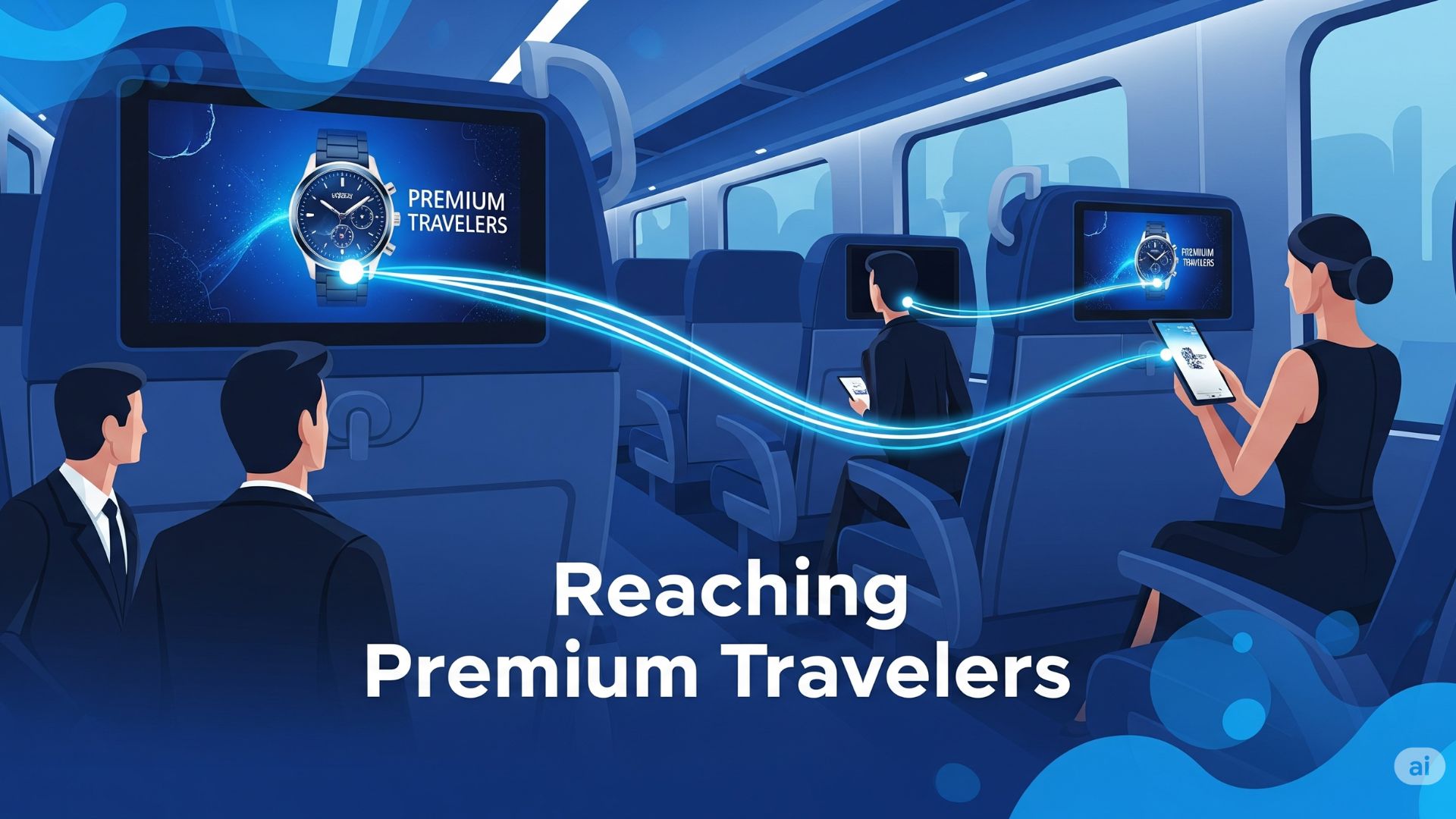
The Vande Bharat Express is rapidly becoming the preferred mode of travel for business and premium travelers across India’s major corridors. With its modern amenities, speed, and comfort, it attracts a discerning and affluent passenger base—making it a highly appealing advertising platform for brands targeting professionals, executives, and discerning consumers. This article explores strategies and advertising options for brands aiming to effectively engage the high-value Vande Bharat audience.
1. Understanding the Business and Premium Traveler Profile on Vande Bharat
- Demographics: Predominantly aged 25-50, including corporate executives, entrepreneurs, government officials, and affluent tourists.
- Travel Purpose: Frequent business trips, meetings, conferences, and leisure travel with premium expectations.
- Behavior: Tech-savvy, time-conscious, brand-aware, and receptive to premium, innovative advertising formats.
- Media Consumption: High usage of digital devices, engagement with quality content, and preference for brand experiences that reflect their lifestyle.
2. Why Vande Bharat is Ideal for Targeting Premium Commuters
- Premium Positioning: The train itself is a symbol of modern India, projecting innovation and quality that aligns well with upscale brands.
- Captive Audience: Long journey times ensure passengers spend more time exposed to advertising messages without distractions.
- Multi-Sensory Advertising Possibilities: From digital video screens to audio messaging and interactive activations, Vande Bharat provides multiple channels for communication.
- Regional and Metro Connectivity: Routes connecting major metros and important tier II cities allow brands to tailor geographic targeting.
3. Effective Advertising Formats to Engage Business Travelers
a. Digital Interior Screens
- Display dynamic, visually rich video content tailored for high engagement.
- Ideal for luxury goods, technology services, financial products, and premium lifestyle brands.
b. Exterior Coach Branding
- High-visibility branding at stations and en route, building strong brand presence and prestige.
- Effective for brand recall among regular commuters and city dwellers.
c. Audio Advertising
- Elegant, professionally-produced audio ads played during travel pauses capture attention without causing disruption.
- Suitable for financial services, app launches, and premium product updates.
d. Seatback and Tray Table Ads
- Deliver personalized, close-range advertising that passengers can easily see and absorb.
- Great for direct calls-to-action such as app downloads, event invites, or special offers.
e. Interactive Campaigns
- Incorporate QR codes, NFC triggers, or onboard Wi-Fi tie-ins to engage passengers digitally.
- Encourage downloads, lead capture, or social media sharing for deeper brand interaction.
4. Tailoring Messaging for the Premium Audience
- Focus on Value and Quality: Emphasize exclusivity, reliability, performance, and lifestyle aspirations.
- Clear, Concise, and Impactful: Use succinct messaging with compelling visuals and strong CTAs to respect passenger time.
- Localized Content: Adapt messaging based on routes for cultural relevance or business hubs.
- Leverage Storytelling: Use narratives that resonate with a professional lifestyle, such as success stories, innovation highlights, or convenience benefits.
5. Timing and Frequency Considerations
- Schedule ads during peak business travel days (Monday mornings, Thursday/Friday evenings).
- Use rotating content on digital screens to maintain freshness and increased ad recall.
- Combine formats (audio plus visual) for multi-touchpoint impact to reinforce messaging.
6. Measuring Campaign Effectiveness with Premium Travelers
- Track digital interactions via QR code scans or app activations tied to onboard ads.
- Conduct passenger surveys to gauge brand awareness and recall.
- Analyze regional sales or lead generation aligned with train routes and campaign timings.
- Collaborate with transit media vendors for comprehensive campaign analytics.
7. Case Examples of Successful Campaigns
- A financial institution targeted business travelers with a digital video campaign complemented by audio ads, resulting in a 25% increase in premium account sign-ups.
- A luxury watch brand showcased exterior wraps and seatback ads on Mumbai-Delhi Vande Bharat routes, boosting brand awareness by 40% in key metro markets.
- A tech app company ran QR code-driven interactive campaigns on interior screens, achieving a 35% uplift in app downloads from train passengers.
Conclusion
Reaching business and premium travelers through Vande Bharat advertising is a strategic opportunity for brands aiming to connect with India’s affluent and influential commuters. By leveraging the train’s modern advertising formats, targeting capabilities, and passenger demographics, brands can deliver highly engaging, memorable campaigns that resonate with this coveted audience.
Are you ready to craft a premium transit advertising strategy that captures the attention of business travelers on Vande Bharat? Partner with expert transit media agencies to design customized campaigns that harness the full potential of this dynamic platform.
Frequently Asked Questions (FAQs)
Q1: What types of brands benefit most from targeting business travelers on Vande Bharat?
Luxury goods, financial services, technology companies, premium FMCG, and travel-related brands.
Q2: Can small and medium businesses engage premium travelers on Vande Bharat?
Yes, with tailored packages focusing on specific routes and formats, SMEs can also reach affluent passengers effectively.
Q3: How do interactive campaigns work on Vande Bharat trains?
They use QR codes, NFC, and Wi-Fi integrations to connect passengers with digital content, offers, or lead-generation tools.
Q4: What is the ideal length for digital ads targeting business travelers onboard?
Ads between 15-30 seconds work well to retain attention without overwhelming the commuter experience.