
Introduction
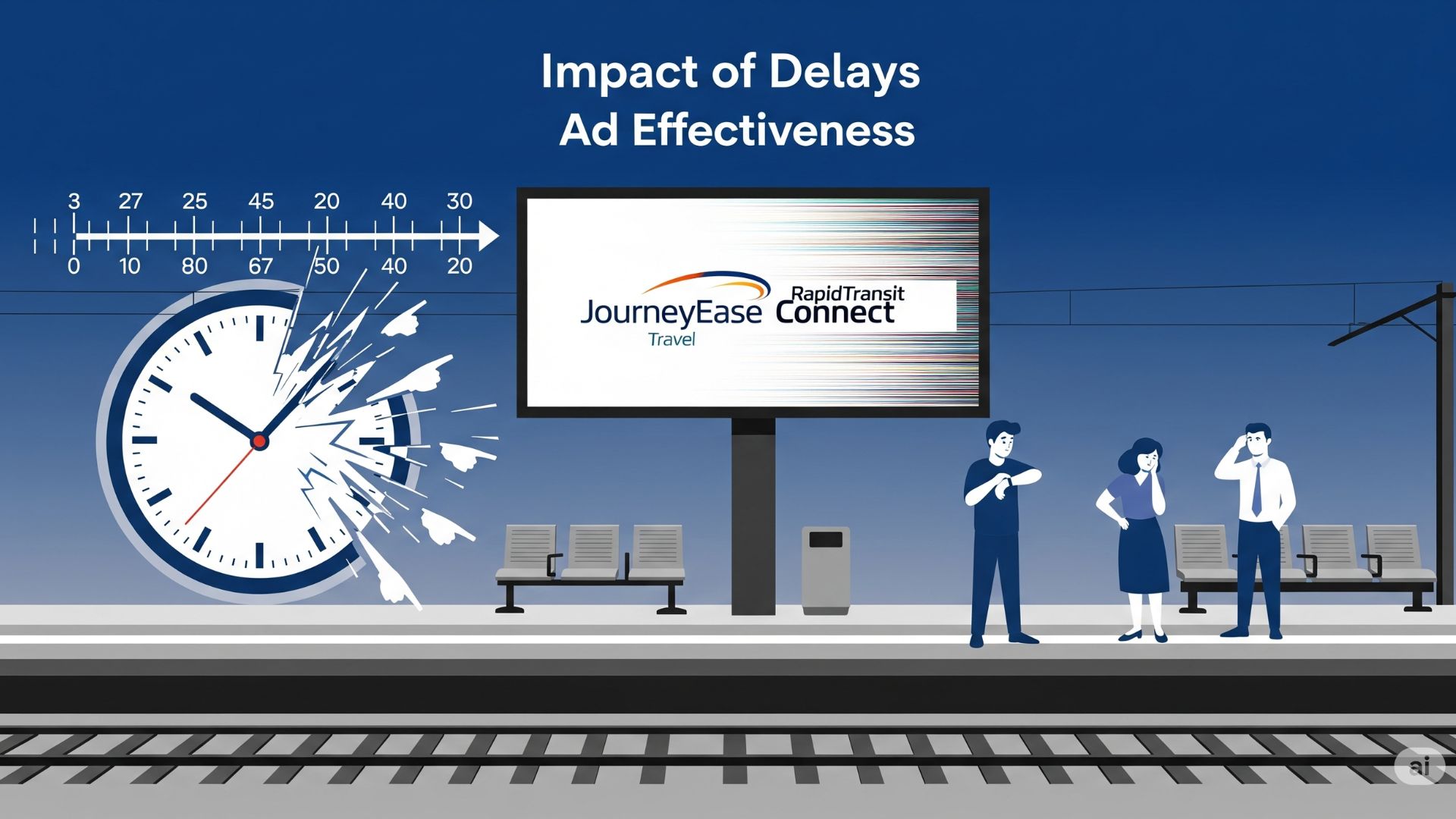
Railway stations are dynamic environments subject to frequent changes caused by train delays and service disruptions. While such delays often challenge commuters, they also present unique opportunities and challenges for advertisers. Understanding how train delays affect advertising effectiveness is crucial for brands aiming to maximize engagement, visibility, and return on investment in these fluctuating contexts.
This article explores the impact of train delays and disruptions on railway station advertising, discusses strategies for leveraging these situations, and offers tips to optimize campaign performance amidst transit uncertainties.
1. Why Train Delays and Disruptions Matter for Advertising
- Increased Dwell Time: Commuters facing delays usually spend more time on platforms, concourses, and waiting areas, potentially increasing ad exposure.
- Heightened Stress and Distraction: Passenger frustration or distraction may reduce ad attention or, conversely, increase receptiveness to empathetic messaging.
- Crowd Density Variations: Overcrowding during delays can either hinder ad visibility or amplify it due to concentration of commuters.
- Unpredictability: Fluctuations in passenger flow challenge fixed scheduling and message timing for certain ad formats, especially digital or programmatic displays.
2. Effects of Delays on Different Advertising Zones
| Zone | Impact of Delays | Opportunity/Challenge |
| Platforms | Longer wait times increase ad dwell and visibility. Overcrowding may obstruct sightlines. | Use larger, eye-level placements and multiple formats to maximize visibility. Monitor and adjust for congestion. |
| Concourse & Waiting Areas | Crowds swell and dwell time extends, improving engagement potential. | Incorporate comfortable seating with branded zones to encourage lingering and interaction. |
| Ticket & Information Counters | Passengers waiting for assistance offer captive audiences. | Interactive kiosks and contextual messaging about delay updates can enhance engagement. |
| Digital Screens | Real-time content may be crucial, but delays can disrupt scheduled messaging. | Leverage dynamic messaging that empathizes with delays or provides useful information to build positive brand associations. |
| Retail and Food Courts | Extended wait times increase likelihood of purchases, enhancing synergy for promotional ads. | Align campaigns with retail offers or limited-time promotions to capitalize on commuter downtime. |
3. Strategic Advertising Approaches During Delays
a. Empathy and Support Messaging
- Use ad creatives that acknowledge commuter delays with empathetic tone to build trust and positive brand sentiment.
- Communicate useful information, such as delay updates or alternative transport options, if possible, to add value.
b. Dynamic and Real-Time Content
- Implement flexible digital campaigns that can adjust messaging based on live delay and crowd data.
- Promote offers or services catering to longer dwell times, such as food deals or entertainment.
c. Utilize Increased Footfall
- Deploy interactive installations like games, contests, or charging stations to engage commuters during extended waiting periods.
- Create branded comfortable spaces that encourage commuters to gather and interact with the brand.
d. Monitor and Adapt Campaign Timing
- Work closely with station authorities and transit media agencies to receive live updates on train operations.
- Adjust digital ad rotations and messaging promptly to align with current conditions.
4. Challenges Advertisers Face During Delays
- Overcrowding may block key ads or negatively impact brand perception if associated with commuter dissatisfaction.
- Static ads have limited flexibility to adapt to changing commuter moods or delays.
- Measuring campaign effectiveness during irregular commuting patterns can be complex.
- Some commuters may avoid looking at ads or be distracted by their travel disruptions.
5. Leveraging Delay Analytics and Commuter Behavior Data
- Use footfall sensors and passenger flow analytics to identify delay patterns and peak congestion times.
- Harness historical delay data to pre-schedule adaptive advertising campaigns in high-disruption stations.
- Combine real-time delay alerts with programmatic ad platforms for on-the-fly content adjustments.
6. Case Studies of Advertising Adaptation to Train Delays
- A beverage brand in Tokyo launched a “Waiting Companion” campaign with digital screens offering fun interactive content during peak delay times, increasing engagement by 25%.
- London Underground partnered with an apparel brand to display empathetic messaging promoting comfort wear during frequent disruptions, leading to a 15% boost in brand recall.
- Mumbai railway’s food court advertising adapted dynamically to delays by offering limited-time discounts, driving a 20% sales increase during peak disruption periods.
Conclusion
Train delays and disruptions create both challenges and opportunities for railway station advertisers. While longer dwell times can enhance exposure and engagement, fluctuating commuter moods and crowding require thoughtful, flexible strategies. Brands that incorporate empathy, real-time content, and interactive elements can turn delays into moments of meaningful engagement and positive brand associations.
To maximize advertising effectiveness amid transit unpredictability, collaborate closely with transit authorities, utilize data-driven insights, and adopt adaptive campaign tactics that resonate with commuters’ evolving experiences.
Are you prepared to harness the impact of train delays to boost your railway station advertising outcomes? Partner with experienced transit media professionals to craft agile, commuter-centric campaigns that thrive even when trains don’t run on time.
Frequently Asked Questions (FAQs)
Q1: How do train delays typically affect commuter attention to advertisements?
Delays often increase dwell time, raising exposure opportunities, but stress may reduce attention unless ads offer empathy or useful information.
Q2: Can digital ads respond automatically to real-time delay information?
Yes, programmatic digital screens can adapt messaging dynamically based on live transit data for greater relevance.
Q3: What types of ads work best during train disruptions?
Interactive, empathetic, and service-oriented ads that engage commuters or provide relief from travel frustration perform best.
Q4: How can advertisers measure effectiveness during irregular commuting patterns caused by delays?
By analyzing real-time footfall, interaction data, and combining with sales and brand recall studies tailored around disruption events.