Introduction
Railway stations serve as vibrant transit hubs attracting millions of commuters daily, making them prime locations for brands to engage diverse audiences. Traditional advertising methods have evolved dramatically to include dynamic and interactive approaches that captivate audiences more effectively. Innovations in audience engagement at railway stations are reshaping out-of-home advertising by leveraging technology, creativity, and data, helping brands create memorable experiences that cut through the noise.
This article explores the latest innovations in audience engagement techniques at railway stations, highlighting how brands can harness these advances to boost visibility, interaction, and ROI.
1. Interactive Digital Installations
Touchscreen Kiosks and Information Panels
These installations allow commuters to interact directly with branded content. Whether accessing travel info, playing games, or participating in contests, these experiences deepen engagement.
- Real-time content updating keeps interactions fresh and relevant.
- Enables data capture for audience insights and lead generation.
Augmented Reality (AR) Experiences
AR-enabled static or digital ads bring static visuals to life through smartphones or AR glasses.
- Commuters can view 3D product demos, virtual try-ons, or immersive brand stories.
- Drives social sharing and boosts campaign virality.
2. Gamification and Contests
Introducing game elements enhances engagement by making advertising fun and rewarding:
- On-site interactive games tied to brand messages encourage participation.
- QR code-based scavenger hunts across station zones increase foot traffic and dwell time.
- Instant prizes or rewards redeemable digitally or in-store drive conversions.
3. Personalization Through Data and AI
Modern systems utilize anonymized passenger data and AI to customize content:
- Digital screens dynamically display ads relevant to the time of day, weather, or passenger demographics.
- Programmatic buying allows brands to target specific commuter segments with tailored messaging.
- Personalization increases ad relevance, recall, and commuter satisfaction.
4. Multisensory and Experiential Campaigns
Brands are increasingly using multiple senses to create memorable impressions:
- Incorporating scent (olfactory marketing) in waiting areas to associate aromas with brand identity.
- Tactile elements like textured displays or interactive buttons invite commuter touch.
- Soundscapes or music branded with campaigns enhance ambience and emotional connection.
5. Mobile Integration and Offline-to-Online Engagement
Bridging physical ads with digital channels enriches engagement:
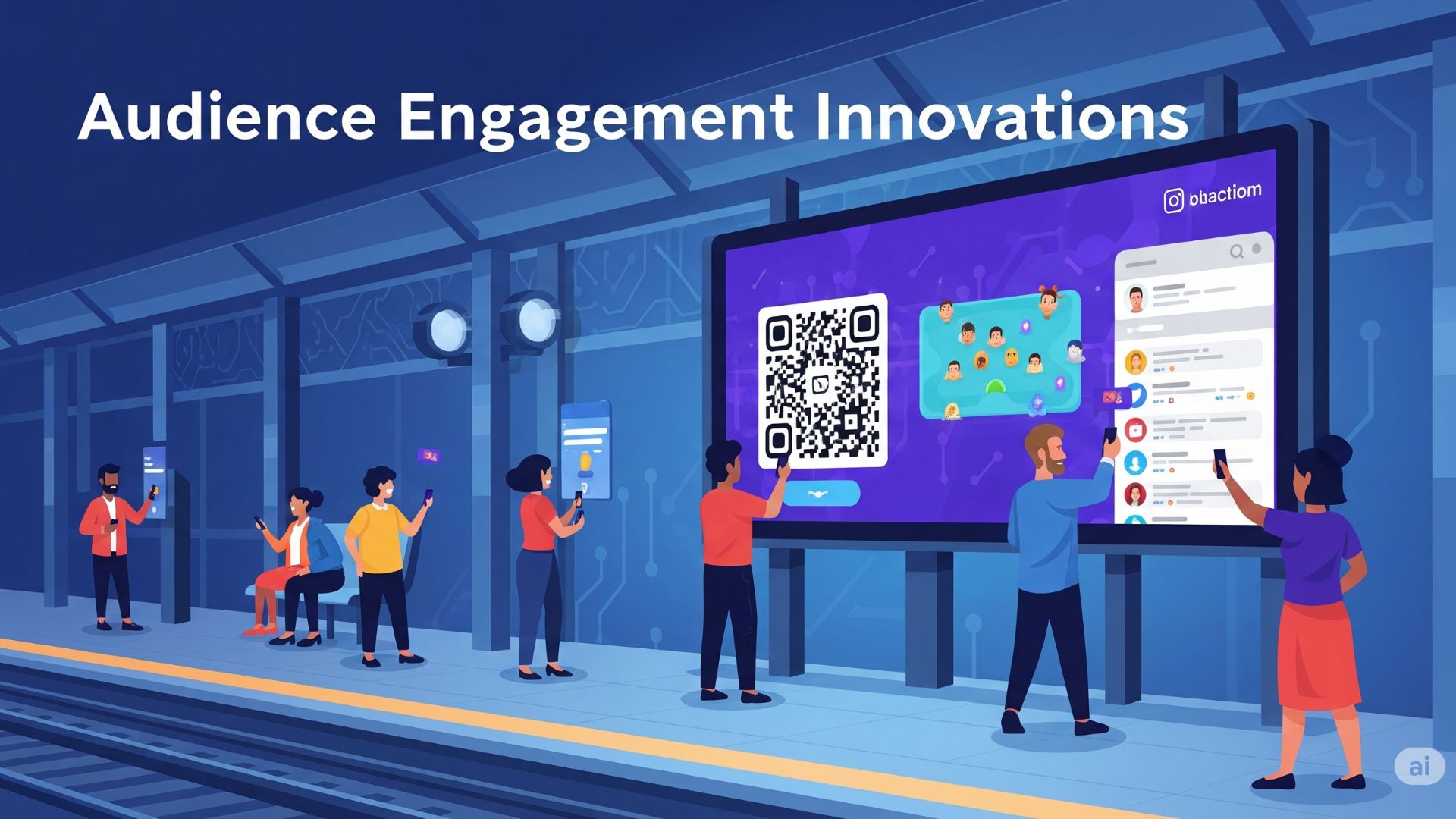
- QR codes, NFC tags, and Bluetooth beacons allow commuters to instantly access exclusive content or offers.
- Campaigns linked to mobile apps enable personalized promotions and loyalty rewards.
- Social media tie-ins encourage sharing photos or experiences linked to station ads.
6. Real-Time Feedback and Analytics
Innovative platforms now allow live monitoring of engagement metrics:
- Sensors and cameras anonymously track dwell time and interaction rates.
- AI-driven dashboards help marketers optimize campaigns on the fly.
- Commuter feedback can be integrated to refine messaging during campaigns.
7. Sustainability and Social Responsibility Engagement
Modern audiences appreciate brands taking social responsibility seriously:
- Eco-friendly activations highlighting sustainability messages resonate well in transit environments.
- Initiatives incorporating charitable donations or community support invite commuter participation—e.g., digital kiosks allowing donations or pledges.
- Promoting local culture and events deeply connects with regional commuters.
Conclusion
Innovations in audience engagement techniques at railway stations are transforming how brands interact with one of the largest and most diverse commuter populations in the world. By embracing interactivity, personalization, multisensory experiences, and digital integration, advertisers can create dynamic, memorable campaigns that elevate brand visibility and deepen consumer connections.
Staying at the forefront of these advancements enables marketers to maximize the impact and value of railway station advertising in an increasingly competitive environment.
Frequently Asked Questions (FAQs)
Q1: What are the most cost-effective audience engagement innovations for small businesses at railway stations?
Interactive digital kiosks with QR codes and simple gamification campaigns can deliver strong engagement at moderate costs.
Q2: How can brands measure the success of interactive engagement campaigns?
By tracking interaction metrics such as touchscreen usage, QR code scans, dwell time, and social media participation.
Q3: Are AR campaigns difficult to implement in railway stations?
While AR requires specialized creative and coordination, many stations now support AR-enabled campaigns, especially at major hubs.
Q4: How do data privacy laws impact personalized advertising in railway stations?
Advertisers must adhere to privacy regulations by using anonymized data, obtaining consent where necessary, and ensuring transparent data practices.