
Introduction
In today’s environmentally conscious world, sustainability has become a pivotal factor in every industry — including transit advertising. Railway stations, with their massive daily footfall and high visibility, serve as influential platforms for brands to showcase eco-friendly advertising initiatives while minimizing environmental impact. This article explores how sustainability is shaping transit advertising in railway stations, spotlighting green initiatives, innovative practices, and benefits for brands and commuters alike.
1. Why Sustainability Matters in Railway Station Advertising
- Growing Consumer Awareness: Modern consumers increasingly prefer brands committed to environmental responsibility.
- Reduction of Carbon Footprint: Traditional advertising methods can contribute to waste and energy consumption; sustainable alternatives reduce this impact.
- Regulatory Pressure and Industry Standards: Governments and transit authorities are instituting stricter environmental guidelines on advertising practices.
- Corporate Social Responsibility: Brands can leverage green advertising to enhance reputation and stakeholder trust.
2. Common Environmental Challenges in Railway Station Advertising
- Use of non-recyclable materials for static ads leading to landfill waste.
- Energy-intensive digital screens contributing to high electricity consumption.
- Frequent print replacements generating resource wastage.
- Carbon emissions associated with production, installation, and transport of ad materials.
3. Green Initiatives Transforming Railway Station Advertising
Eco-Friendly Materials
- Increasing adoption of recyclable, biodegradable, or sustainably sourced substrates for posters, hoardings, and signage.
- Use of water-based, non-toxic inks reducing chemical pollutants.
- Campaigns utilizing fabric banners or reusable panels as alternatives to traditional vinyl.
Energy-Efficient Digital Displays
- Installation of LED screens with low power consumption and smart brightness controls adapting to ambient light.
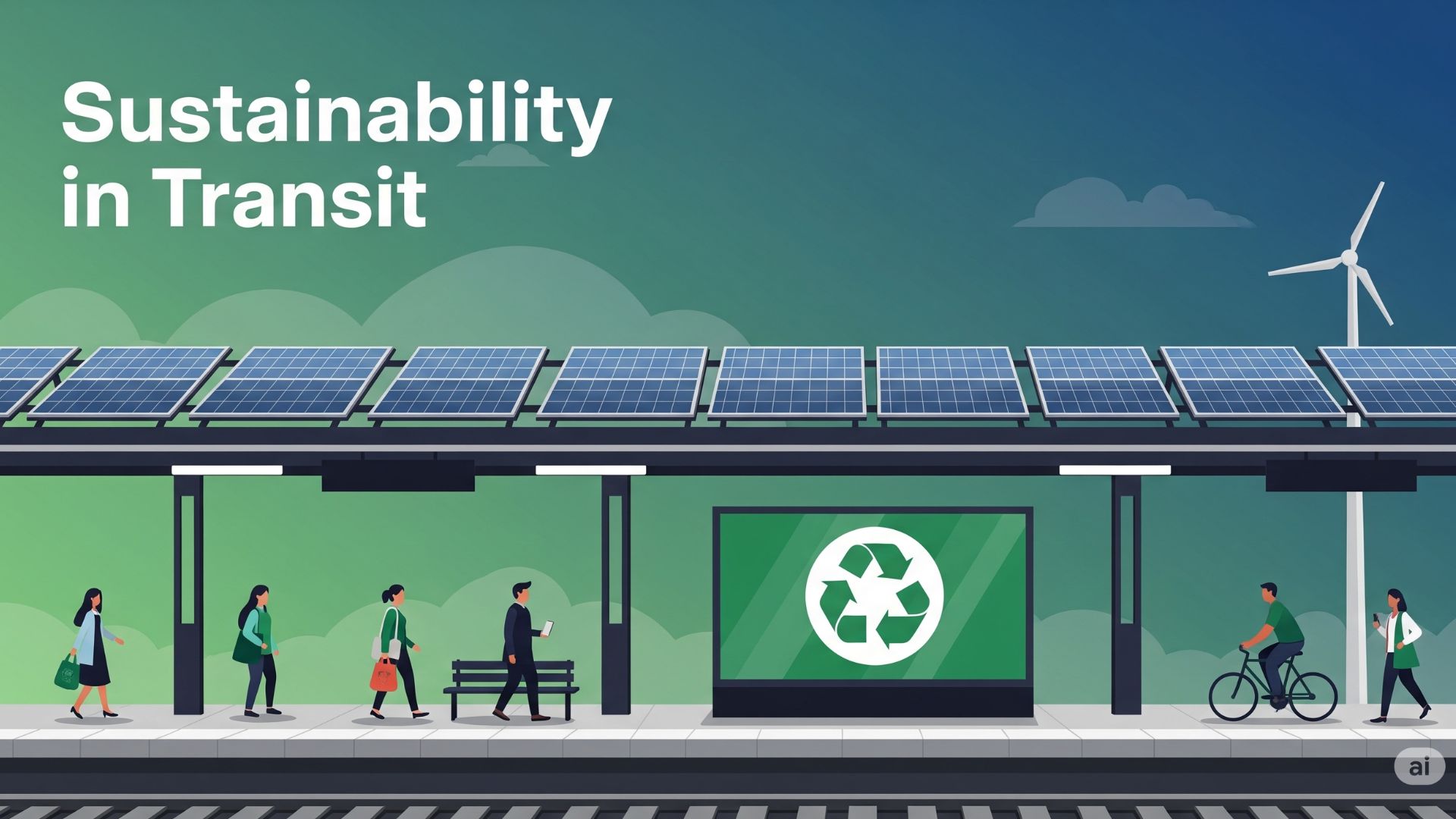
- Incorporation of solar panels to power digital installations.
- Automatic sleep modes and scheduling to reduce energy use during off-peak hours.
Waste Reduction and Circular Practices
- Recycling programs for retired ad materials coordinated with vendors.
- Modular ad designs allowing reuse of frames and fixtures for multiple campaigns.
- Implementation of digital replacements minimizing the need for physical print production.
Carbon Offset and Green Partnerships
- Collaboration with environmental organizations to offset emissions from ad production and operations.
- Participation in green certification programs for out-of-home advertising infrastructure.
- Sponsorship of sustainability-themed campaigns promoting eco-awareness.
4. Benefits of Sustainable Advertising for Brands
- Enhanced Brand Image: Demonstrates commitment to sustainability, resonating with environmentally conscious consumers.
- Cost Savings: Energy-efficient technologies and reusable materials can reduce long-term expenditure.
- Positive Public Relations: Opportunity to feature in sustainability awards, media coverage, and CSR reports.
- Regulatory Compliance: Meeting evolving environmental standards preemptively avoids fines or campaign interruptions.
5. Examples of Sustainable Transit Advertising Campaigns
- A global fashion brand in London used biodegradable posters at railway stations, minimizing plastic waste while aligning with its eco-friendly collection launch.
- Mumbai railway authorities introduced solar-powered LED screens at key stations, reducing energy bills and carbon emissions.
- A tech startup implemented modular digital display units in Delhi stations, enabling rapid content change without physical waste.
6. How Advertisers Can Adopt Green Practices in Railway Stations
- Select media owners and agencies that prioritize sustainability and transparency.
- Design creatives with minimal material waste and use digital formats where feasible.
- Plan campaign durations and cycles to optimize resource use and reduce frequent turnover.
- Encourage audience interaction with eco-conscious messages reinforcing brand values.
- Audit and report environmental impact as part of campaign measurement.
Conclusion
Sustainability in railway station advertising is no longer just a trend but a necessity for brands looking to innovate responsibly and connect with today’s eco-aware consumers. By embracing green materials, energy-efficient technologies, waste reduction strategies, and carbon offset programs, advertisers can create impactful campaigns that protect the planet while delivering measurable marketing success.
Choosing sustainable transit advertising solutions at railway stations not only benefits the environment but also strengthens brand reputation, aligns with regulatory demands, and appeals to a growing market segment that values corporate responsibility.
Are you ready to make your railway advertising greener? Partner with eco-conscious media agencies and adopt innovative green initiatives to lead your brand toward a sustainable future.
Frequently Asked Questions (FAQs)
Q1: Are sustainable advertising options more expensive than traditional methods?
While initial costs might be slightly higher, sustainable materials and energy-efficient technologies often lead to long-term savings and better brand value.
Q2: Can small businesses participate in sustainable transit advertising?
Yes, even small campaigns can integrate eco-friendly practices by choosing recyclable materials and digital ad formats.
Q3: How can digital ads contribute to sustainability?
Digital ads reduce the need for physical printing and allow content updates without waste, especially when powered by energy-saving technologies.
Q4: Where can I find transit media agencies specializing in sustainable advertising?
Look for agencies with green certifications, sustainability commitments, and case studies showcasing eco-friendly campaigns in railway environments.