Introduction
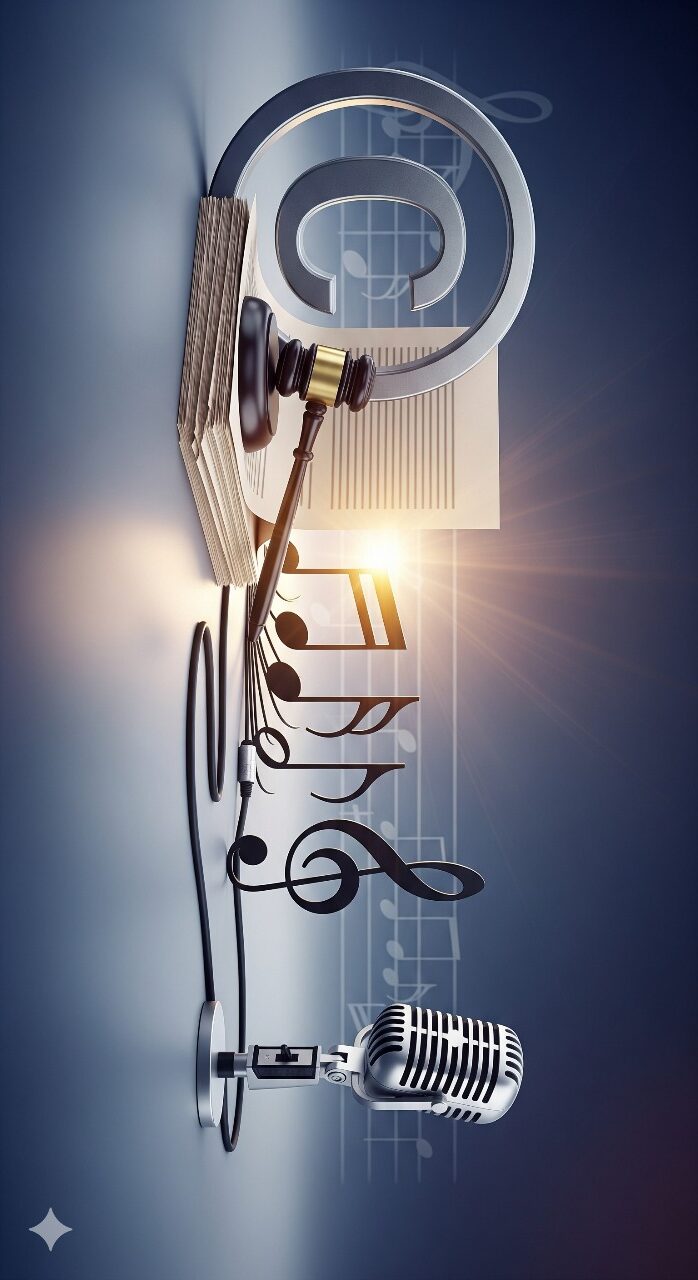
When creating a radio jingle, understanding the nuances of licensing, copyright, and ownership is crucial to protecting your investment and ensuring you have full control over how your jingle is used. Without clear rights agreements, your brand could face legal issues or unexpected limitations in use.
In this article, we’ll break down the essentials of licensing and copyright for radio jingles and explain what ownership means for your brand in 2025. This knowledge will empower you to make informed decisions before commissioning or purchasing jingles.
Whether you’re a marketer, business owner, or audio professional, this guide clarifies the legal landscape surrounding radio jingles for smooth campaigns and long-term brand protection.
Table of Contents
- What Is Copyright in Radio Jingles?
- Understanding Licensing and Its Types
- Who Usually Owns the Rights to a Jingle?
- Exclusive vs. Non-Exclusive Rights Explained
- Key Legal Terms to Know in Jingle Contracts
- How to Secure Full Ownership of Your Jingle
- Common Pitfalls and How to Avoid Them
- Why Licensing and Ownership Matter for Your Brand
- Frequently Asked Questions (FAQs)
- Final Thoughts and Action Steps
1. What Is Copyright in Radio Jingles?
Copyright is a legal protection granted to creators of original works, including music and lyrics in jingles. It gives the creator exclusive rights to reproduce, perform, and distribute the work.
In radio jingles, copyright covers:
- The musical composition (melody, harmony)
- The lyrics or script
- The sound recording (production, mixing, performances)
Copyright automatically exists upon creation but should be documented via contracts.
2. Understanding Licensing and Its Tyes
Licensing refers to the permission granted by the copyright holder for others to use the jingle under defined conditions.
Common types include:
- Exclusive License: Only the licensee (your brand) has the right to use the jingle for specified purposes and duration.
- Non-Exclusive License: The licensor retains the right to license the jingle to multiple users simultaneously.
- Sole License: Between exclusive and non-exclusive; the licensee is the only one allowed use but licensor retains ownership.
- Royalty-Free License: One-time fee paid for continual use without ongoing royalties.
- Rights Managed License: Usage is specific and tightly controlled based on time, geography, or media.
Understanding your licensing type impacts your control and legal use of the jingle.
3. Who Usually Owns the Rights to a Jingle?
Ownership depends on:
- Commissioned Work: Typically, the client (brand) owns the copyright if explicitly agreed in the contract (“work for hire”).
- Composer-Owned: Without clear agreements, composers and producers retain rights.
- Split Ownership: Sometimes rights are shared among lyricists, composers, voice talents, and producers.
Always clarify ownership upfront to avoid disputes.
4. Exclusive vs. Non-Exclusive Rights Explained
| License Type | Description | Implications for Your Brand |
| Exclusive | Only you can use the jingle in agreed uses and time | Maximum control; competitors cannot use it |
| Non-Exclusive | Licensor can license the jingle to others | Less control; possible brand confusion if widely used |
| Sole | Only you use, but licensor retains ownership | Intermediate control, useful where ownership is retained |
For strong branding, exclusive rights or full ownership are preferred.
5. Key Legal Terms to Know in Jingle Contracts
- Work for Hire: Contract states that the client owns all rights from creation.
- Assignment of Rights: Transfer of copyright from creator to client.
- Moral Rights: Creator’s rights to object to derogatory treatments of their work (varies by jurisdiction).
- Territory: Geographic scope of granted rights (local, national, worldwide).
- Term: Duration of license or ownership rights.
- Usage Rights: Media platforms and formats permitted for usage.
- Royalties: Payments for usage (if applicable).
- Indemnity: Protection from legal claims against unauthorized use.
6. How to Secure Full Ownership of Your Jingle
- Use clear contracts specifying that the jingle is a work for hire or an assignment of all rights.
- Confirm rights transfer in writing before or at the start of production.
- Specify usage scope and exclusivity to avoid surprises.
- Include clauses on moral rights and future usage to protect brand flexibility.
- Register copyright if possible for added legal security.
- Coordinate with legal counsel experienced in intellectual property.
7. Common Pitfalls and How to Avoid Them
| Pitfall | How to Avoid |
| Unclear ownership agreements | Use explicit contracts, avoid verbal-only agreements |
| Licensing only partial rights | Clarify media, geography, and duration in licensing terms |
| Using royalty-free jingles without exclusivity | Understand limitations and competitive risks |
| Ignoring moral rights or resale clauses | Review contracts carefully, seek legal advice |
| Overlooking rights of featured artists | Ensure contracts with voice actors and musicians align with overall rights |
8. Why Licensing and Ownership Matter for Your Brand
- Prevent Legal Disputes: Avoid costly intellectual property litigation.
- Ensure Brand Exclusivity: Your jingle should uniquely represent your brand.
- Control Usage: Use across all relevant channels without restrictions.
- Monetize or Protect Assets: Ownership enables licensing opportunities or resale.
- Brand Integrity: Prevent competitors or unauthorized parties from diluting your brand identity.
9. Frequently Asked Questions (FAQs)
Q: Can I change or adapt a jingle after purchase?
A: Only if your license or ownership agreement allows modifications; otherwise, seek permission.
Q: What if a voice actor wants rights to the jingle?
A: Ensure voice talent signs releases assigning rights to you or the producer.
Q: How long does copyright last for jingles?
A: Generally, lifetime of the creator plus 70 years (varies by jurisdiction).
Q: Can I register copyright myself?
A: Yes, registration strengthens legal protection and is relatively straightforward.
Q: Are there risks using royalty-free jingles?
A: Yes, others may use the same music, reducing uniqueness and brand impact.
10. Final Thoughts and Action Steps
Understanding licensing, copyright, and ownership is essential to safeguard your investment in radio jingles and maintain brand control. Always engage qualified legal support to draft and review contracts, clarify rights upfront, and secure exclusive use or ownership whenever possible.
Ready to commission your next jingle with confidence? Get clear on rights and licensing terms before signing on the dotted line to protect your brand’s sound for years to come.
Meta Title: Licensing, Copyright, and Ownership of Radio Jingles Explained: 2025 Guide
Meta Description: Learn the essentials of licensing, copyright, and ownership for radio jingles. Understand legal terms and how to secure exclusive rights to protect your brand in 2025.