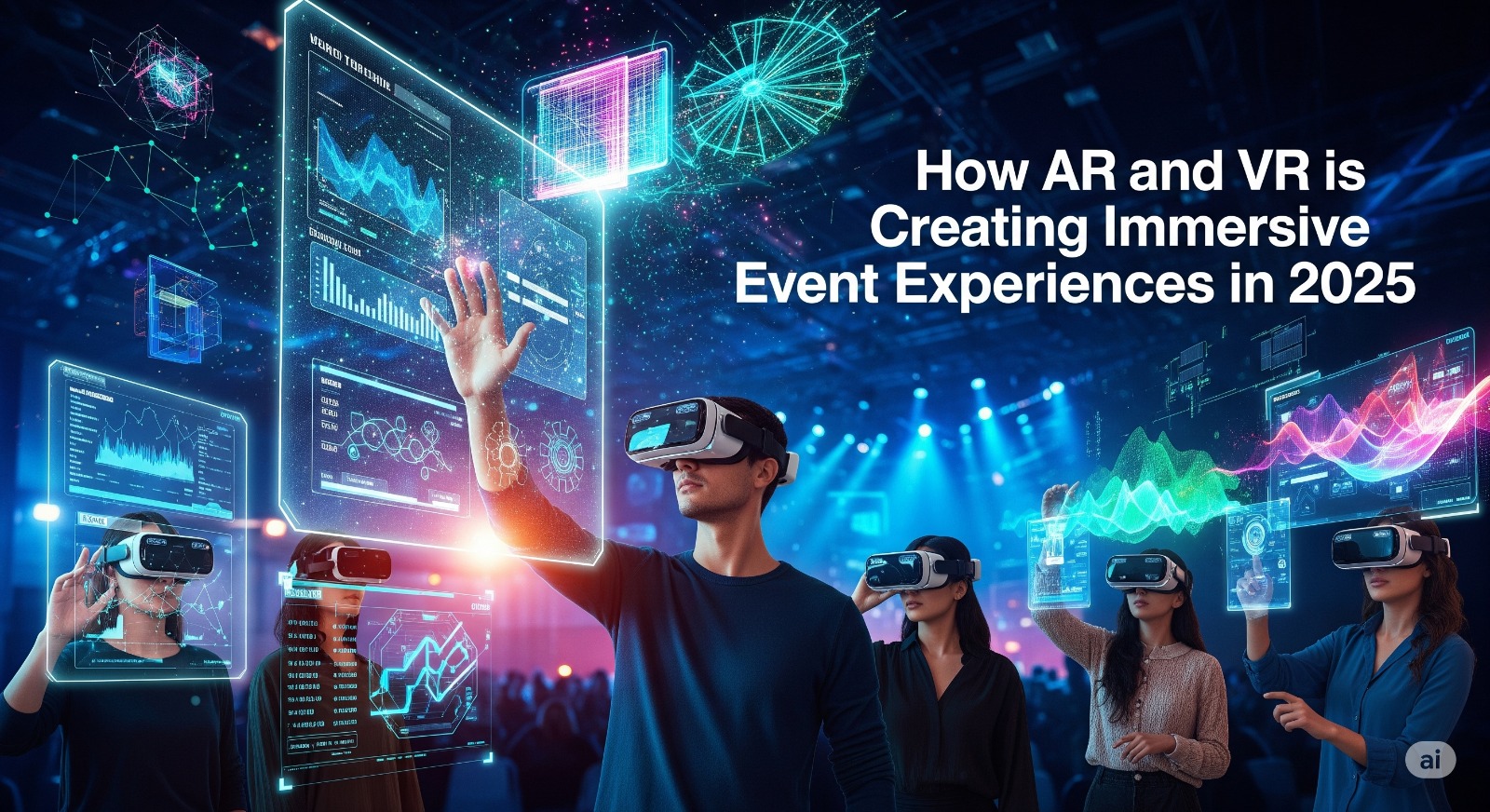
The event industry has gone through a monumental shift. No longer are we bound by the limitations of physical spaces or simple video conferences. In 2025, Augmented Reality and Virtual Reality have become the architects of truly immersive, unforgettable event experiences. These technologies are not just a gimmick; they are fundamentally changing how we connect, learn, and engage. From hybrid conferences to brand activations, here’s how AR and VR is revolutionizing events this year.
The New Standard: AR and VR Defined
Before we dive into the trends, it’s important to understand the key difference between these two technologies and why both are vital for a modern event.
- Augmented Reality (AR): This technology overlays digital information onto the real world. Think of an interactive map that pops up on your smartphone as you walk around a trade show floor, or a product demo that uses your camera to show how a new car model would look in your driveway. AR enhances the physical world with digital elements.
- Virtual Reality (VR): This technology creates a completely simulated, immersive digital environment. Users typically wear a headset to enter a new world, whether it’s a virtual conference hall, a simulated product factory, or a remote networking lounge. VR creates a fully new, digital space.
1. The Blurring of Physical and Digital Worlds
The biggest trend in 2025 is the seamless integration of AR and VR into both in-person and hybrid events. Instead of being separate, these technologies are used to enhance the main event.
- AR-Powered Live Experiences: At live events, AR is making physical spaces smarter. Attendees can scan a QR code on a poster to see an animated video about a speaker, use an AR app to interact with a product at a booth, or even follow an AR-guided path to find their next session. This “phygital” experience adds a layer of depth and interactivity that traditional events could never offer.
- VR for Remote Attendees: For those who can’t attend in person, VR is a game-changer. Remote participants can put on a headset and “walk” the virtual trade show floor, visit a branded booth to interact with products in 3D, and even join a virtual networking lounge where they can chat with other attendees using their avatars.
2. Immersive Storytelling and Brand Activations
Brands are using AR and VR to move beyond passive presentations and create memorable stories.
- Virtual Product Demonstrations: Imagine a car company launching a new vehicle at a conference. Instead of just having one car on display, they can use VR to let attendees “sit” in the driver’s seat, explore the interior in 360 degrees, and even take a virtual test drive. This kind of experience is far more impactful than a simple video.
- AR-Enabled Scavenger Hunts: To boost engagement at a large conference, event organizers can create an AR-powered scavenger hunt. Attendees must find specific augmented reality markers on-site, scan them to unlock clues, and complete challenges to win prizes. This gamification encourages exploration and active participation.
3. Revolutionizing Networking and Collaboration
The sterile, impersonal feel of early virtual events is a thing of the past. AR and VR are making networking feel more authentic and spontaneous.
- Virtual Networking Lounges: These are not just video chat rooms. In a VR environment, attendees can use their avatars to find and join conversations, move between virtual “tables,” and engage in natural, flowing dialogue just as they would at a physical event.
- AI-Powered Matchmaking: AI is enhancing the AR/VR experience by analyzing attendee profiles and matching them with others who have similar interests or goals. This leads to more meaningful connections and makes networking more efficient, especially in large virtual spaces.
4. Practical Applications and Accessibility
The widespread adoption of AR and VR in events is also a result of more accessible technology.
- Web-Based AR (WebAR): This technology allows users to access AR experiences directly through their mobile web browser, eliminating the need to download a separate app. This low barrier to entry makes AR activations more accessible to a wider audience.
- Affordable and Lighter Headsets: As headsets become more comfortable, powerful, and affordable, more companies are investing in them for corporate events. The sleek designs and improved user experience are leading to greater adoption.
Conclusion
In 2025, AR and VR are no longer a novelty; they are an integral part of the event professional’s toolkit. From enhancing live experiences with digital overlays to creating fully immersive virtual worlds for remote audiences, these technologies are creating a new gold standard for events. They are making events more engaging, more memorable, and more accessible than ever before. For anyone in the event industry, embracing AR and VR is the key to staying relevant and delivering truly exceptional experiences.