Introduction
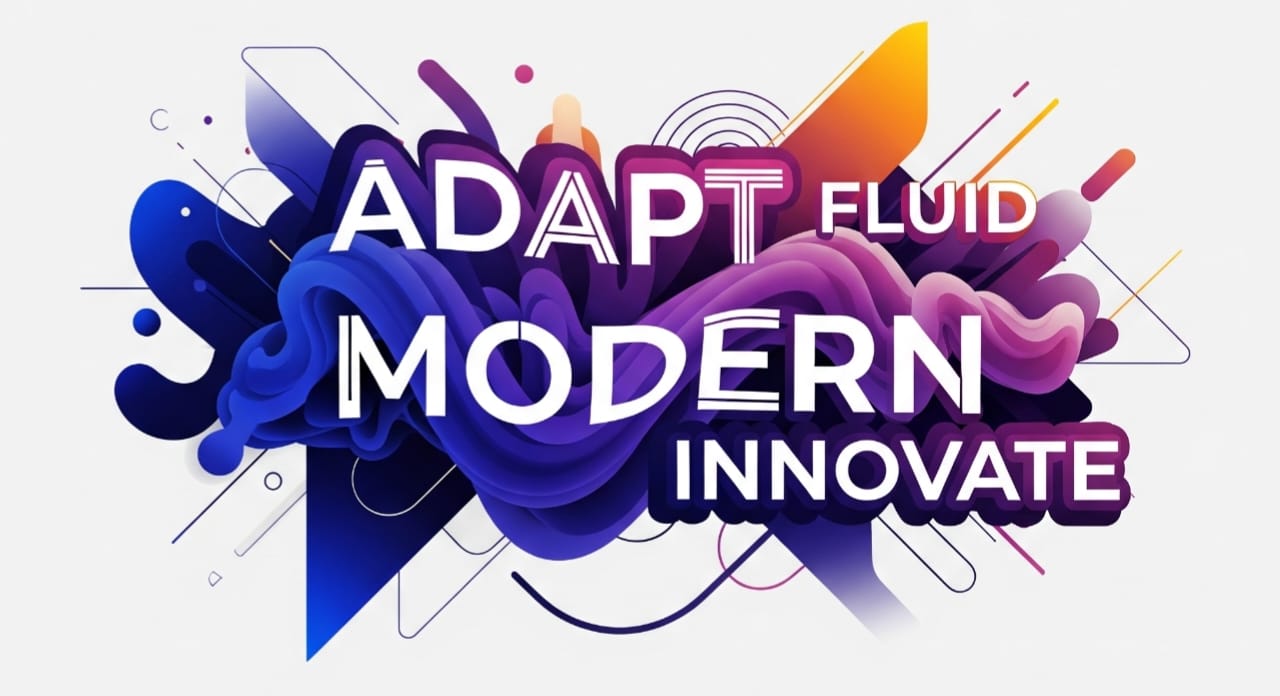
Variable typography is redefining how brands express themselves in today’s visually crowded digital space. This innovative evolution in font technology allows a single font file to act as multiple fonts, giving designers unprecedented creative service and brands fresh avenues for differentiation. Below, explore five powerful ways variable typography is transforming modern branding, driving both recognition and engagement.
Table of Contents
- Enhanced Brand Flexibility
- Dynamic Personalization
- Consistent Multi-Platform Presence
- Elevated Storytelling Potential
- Improved Performance and Accessibility
1. Enhanced Brand Flexibility
With variable fonts, brands can seamlessly adjust font weight, width, and slant—in real time—without loading new files. This enables brands to quickly adapt their look for specific campaigns or events, while retaining core visual identity. For example, a logo can become bolder for social campaigns or lighter for product packaging, all from a single typographic source.
Key Benefit: Consistent identity, effortlessly tailored for every context.
2. Dynamic Personalization
Variable typography enables adaptive experiences that respond to user preferences or contexts. Imagine a brand’s website font subtly shifting based on time of day, device type, or even user interaction—creating truly memorable, personalized brand moments. This dynamic approach helps brands feel more human, alive, and responsive.
Example: Retail sites using softer, wider letterforms at night to reduce eye strain—making both the brand and its user experience more caring and relatable.
3. Consistent Multi-Platform Presence
Modern branding must look coherent across devices—from smartwatches to desktop displays. Variable fonts scale fluidly, adjusting automatically to screen size, resolution, or specific platform requirements. This guarantees that brand typography always looks sharp, professional, and instantly recognizable—no matter the context.
Key Takeaway: Variable fonts eliminate misalignments and layout glitches that hurt credibility.
4. Elevated Storytelling Potential
Variable fonts unlock new ways to animate brand storytelling. Designers can now create type transitions—morphing between styles, weights, or widths—to visualize brand journeys, state changes, or emotional shifts. Whether in motion graphics, web, or app interfaces, this heightens emotional engagement, making stories more immersive and on-brand.
Example: A brand’s type gradually thickening as a story builds suspense, then returning to lighter styles to evoke relief.
5. Improved Performance and Accessibility
Variable font files consolidate multiple weights and styles into one efficient package, reducing web page load times. This not only enhances SEO and user experience but also ensures faster, more consistent text rendering. Plus, dynamic typographic adjustments (like larger or higher-contrast letters) can be integrated by default, making brands more inclusive and accessible to diverse audiences.
Conclusion & Call-to-Action (CTA)
Variable typography is one of the most exciting developments in modern branding, offering unmatched flexibility, personalization, and creative storytelling—all while improving performance and user experience. Brands staying ahead of this trend will connect with audiences more deeply and stand apart in a crowded marketplace.